

Toei TownHana Festival (Kobayashi, Toei Town)
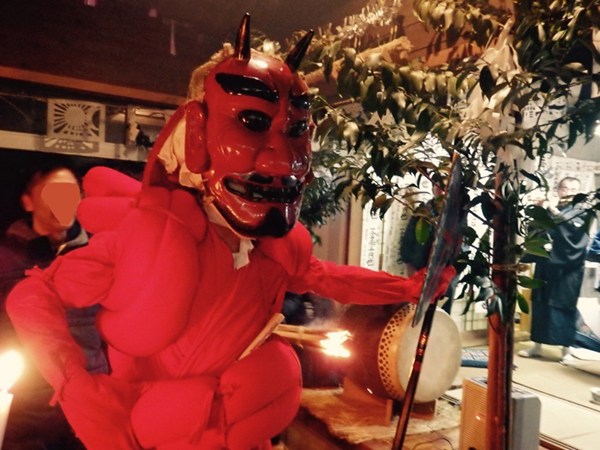
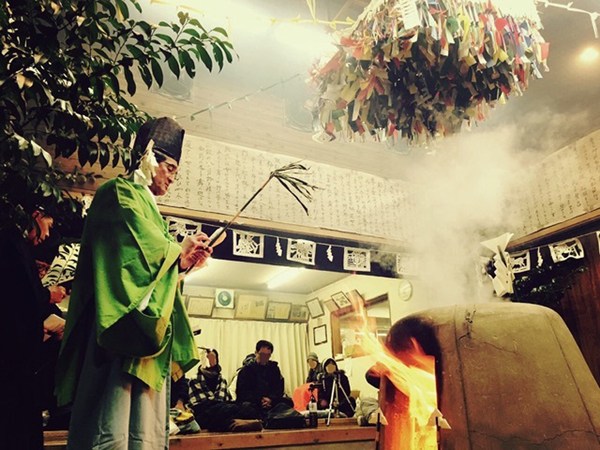
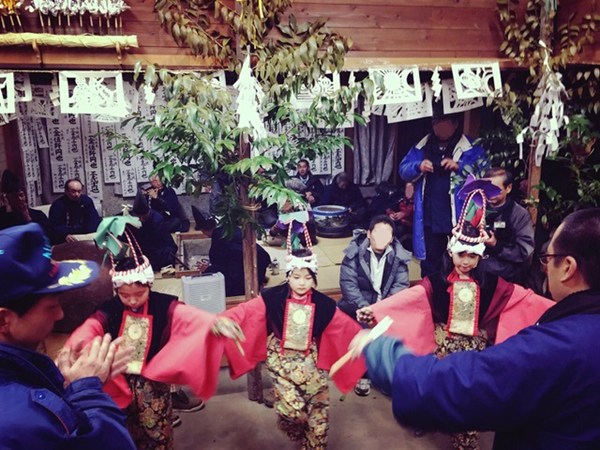
An incredible festival—but one day—around Kobayashi Suwa Jinja Shrine
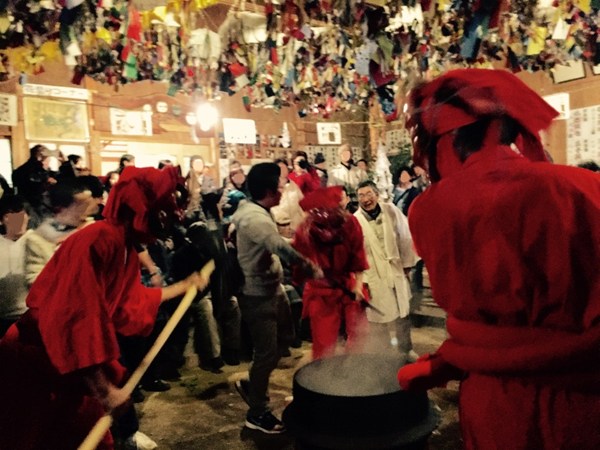
The Hana Festival is a traditional and artistic festival which has continued for more than 700 years and is designated a national important intangible folk cultural property. The festival takes place at a variety of locations around the town of Toei with three types: Furikusa, Onyu, and Okochi. This festival is the only of the Okochi type. The dances and religious ceremonies here differ from the other variations with a faster rhythm and welcoming simplicity.
• Time: 8:00 am–12:00 am the following day
• Location: Kobayashi Suwa Jinja Shrine :
Toei TownHana Festival (Misono, Toei Town)
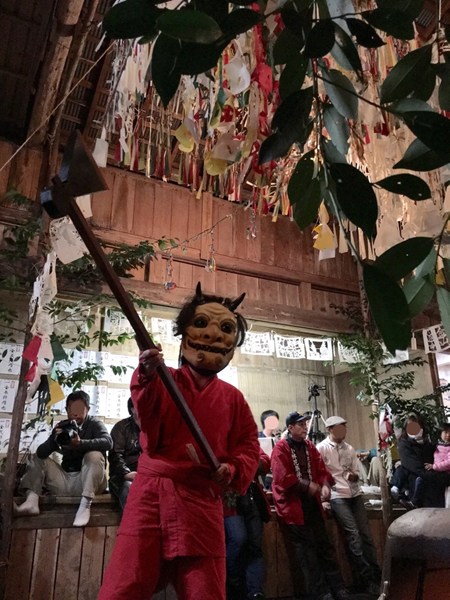
A Hana Festival beneath the beautiful autumn sky
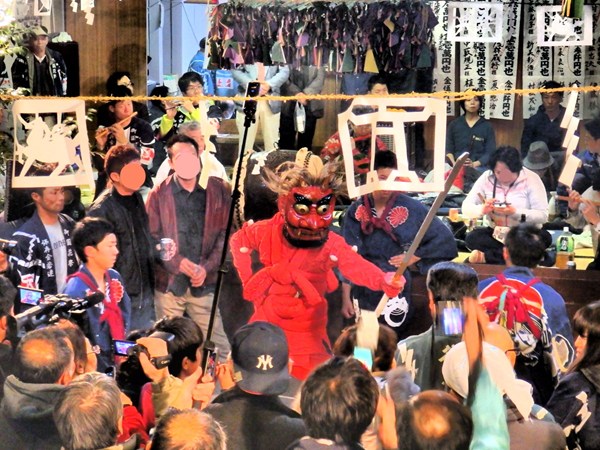
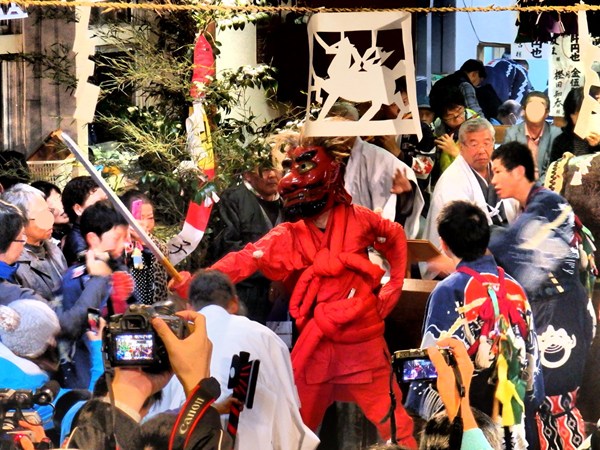
The Hana Festival is a traditional and artistic festival which has continued for more than 700 years and is designated a national important intangible folk cultural property. The festival takes place around the town of Toei, but at Misono, it is held in the Onyu style (the other variations being Furikusa and Okochi), characterized by playing the drums very energetically and the performers dancing on one leg with arms wide open to mimic the movements of a crane. The event goes throughout the night with visitors becoming one with the festivities.
• Time: 1:00 pm–1:00 am the following day
• Location: Misono Assembly Hall No. 1 :
Toei TownHana Festival (Higashi-Sonome, Toei Town)
A Hana Festival with pro Japanese taiko drummers Shidara
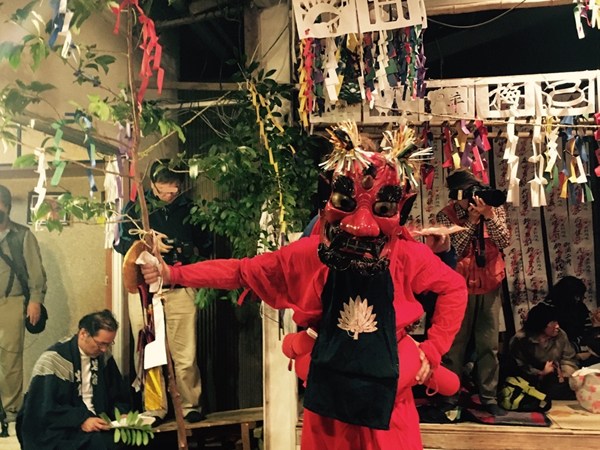
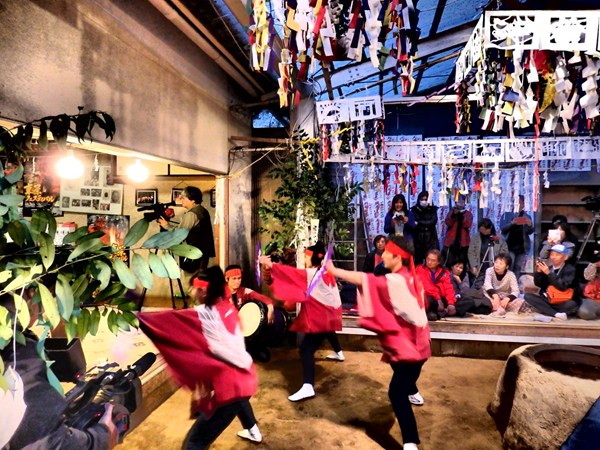
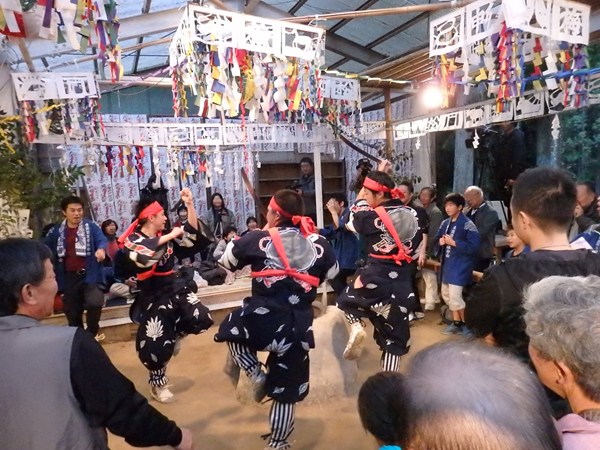
The Hana Festival is a traditional and artistic festival which has continued for more than 700 years and is designated a national important intangible folk cultural property. Enjoy the characteristic Onyu-style dance and rich history as can be seen in the old partitions fencing off holy ground which still remain today. A collaboration with Shidara taiko drummers is sure to bring a new energy to the festivities through a passionate performance. Carpooling is advised as spots to park are scarce.
• Time: 3:00 pm–6:00 am the following day
• Location: Higashi-Sonomeso Elderly Rest Home :
Toei TownHana Festival (Tsuki, Toei Town)
Heroic scenes searing the night sky
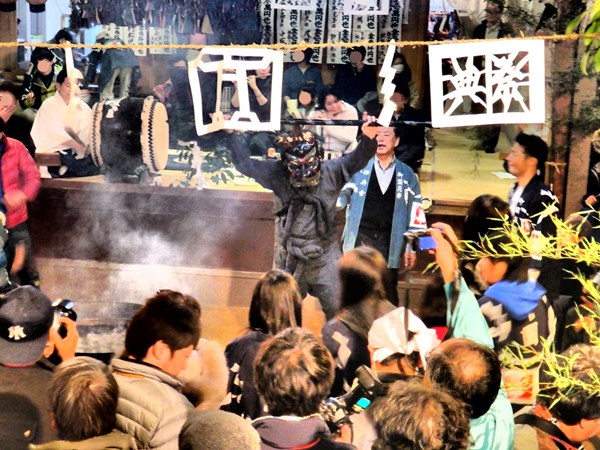
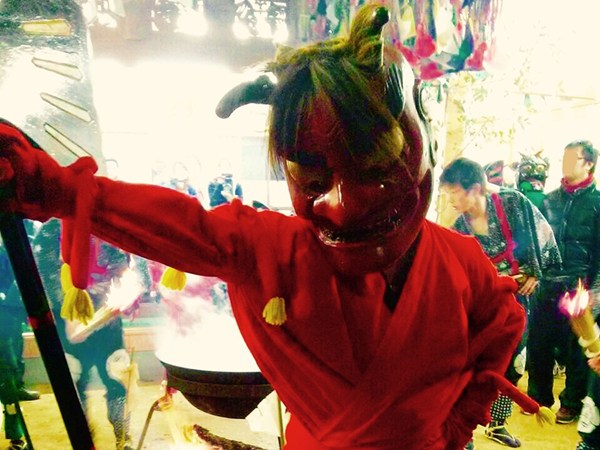
The Hana Festival is a traditional and artistic festival which has continued for more than 700 years and is designated a national important intangible folk cultural property. The Tsuki area's version of the festival enjoys an expansive venue with wondrous decorations, drawing in many visitors each year. It has also established a reputation for the value it places on tradition and respect it shows for the ancient religious ceremonies. The demons jump high at the mountain-like bonfire, in a spectacle of power and wonder during the Masakari portion of the festivities. And don't miss the Sakaki Oni demon's mask or the dancers as they whip steaming water at the crowd from straw brushes during the Yubayashi purification custom.
• Time: 8:00 am–4:00 pm the following day
• Location: Tsuki Assembly Hall :
Toei TownHana Festival (Ashikome, Toei Town)
The main attraction of the festival is... demons?!
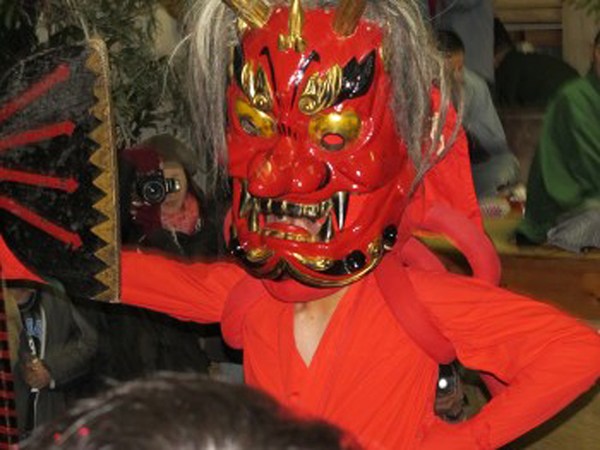
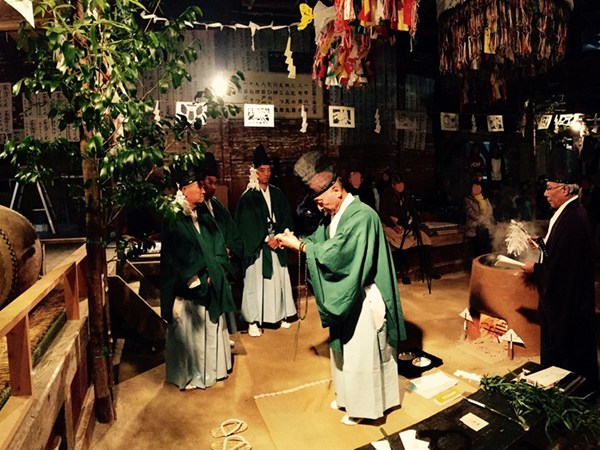
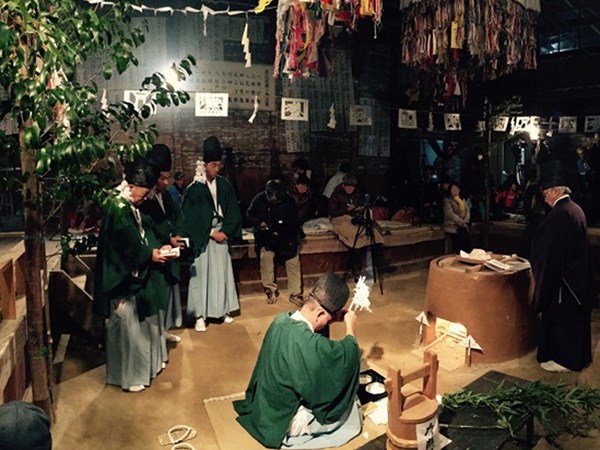
The Hana Festival is a traditional and artistic festival which has continued for more than 700 years and is designated a national important intangible folk cultural property. Ashikome's version of the festival features true authenticity with innumerable decorations and strict religious rites. The most spectacular point of the festival comes at dawn. An entourage of demons comes out and quelches any fatigue experienced by spectators. A special demon then comes in and strikes down a hornet nest strung above a hearth. Pick up a peice, and it is said you will enjoy a year filled with luck.
• Time: 8:00 am–8:00 am the following day
• Location: Ashikome Assembly Hall :
Toyone VillageHana Festival (Sakauba, Toyone Village)
An all night festival devoted to the countless Shinto gods
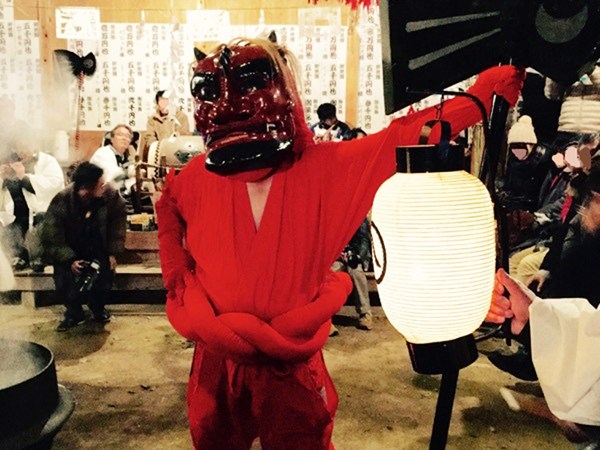
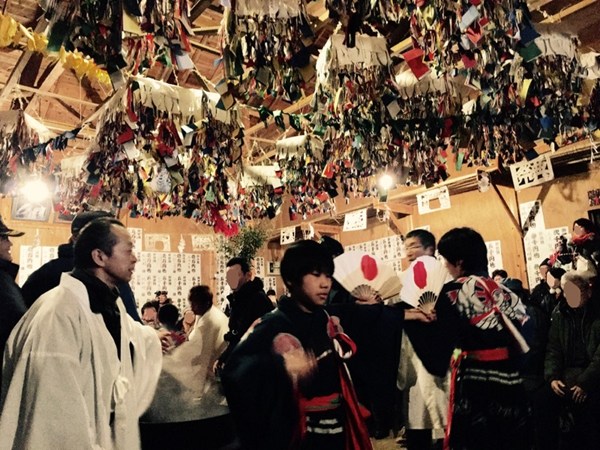
The Hana Festival of Sakauba in the village of Toyone is an over 700-year-old tradition held at Hachiman Jinja Shrine and is a national important intangible folk cultural property. Hana Festivals take place at different locations around the Okumikawa region, where this event takes place, and customs vary slightly by local community. This festival lasts throughout the night, and the nights in autumn Toyone Village get chilly, so warm clothing is advised.
• Time: 6:00 pm–10:00 am the following morning
• Location: Hachiman Jinja Shrine :
Toei TownHana Festival (Kochi, Toei Town)
A Hana Festival held in the open air
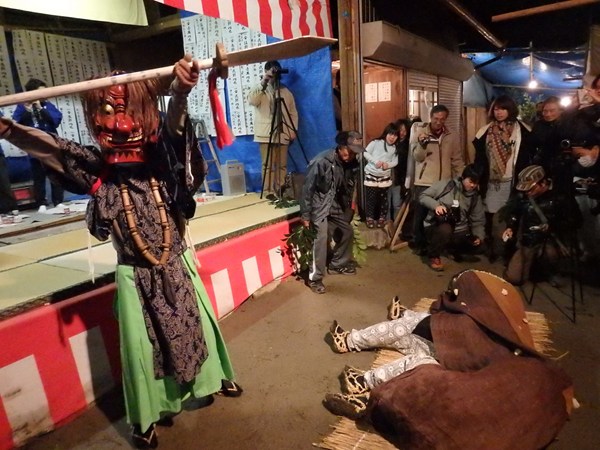
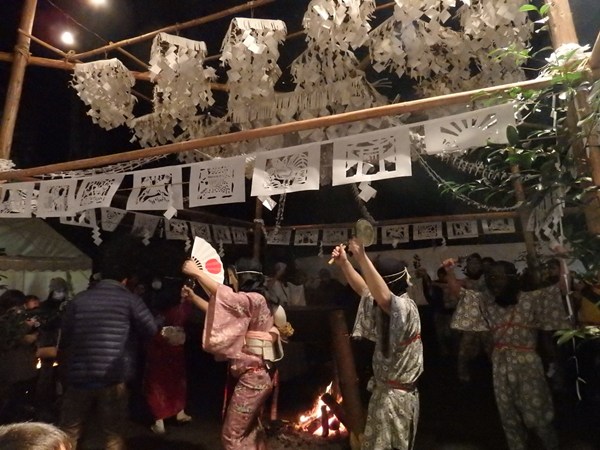
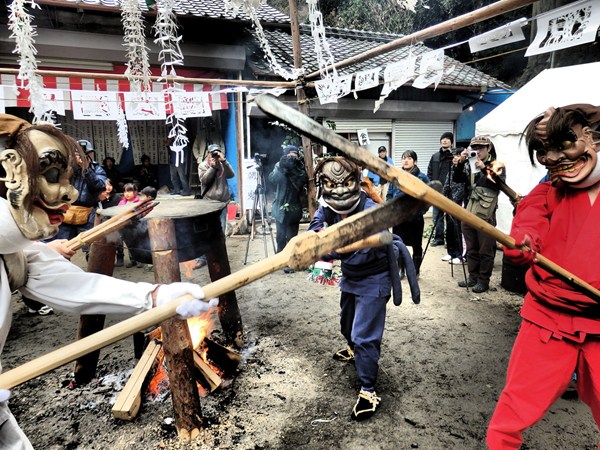
The Hana Festival is a traditional and artistic festival which has continued for more than 700 years and is designated a national important intangible folk cultural property. The Kochi Hana Festival takes place within the Nagamine Jinja Shrine's outside premises, and this expansive setting as well as Shinto ritualistic flowers are some of its highlights. At dawn, a red, white, and blue demon break open a hornet nest strung from the ceiling of the dance area like a piñata with lances. Small pieces of metal, or seed money, fall out and if you are able to slip some of the coins into your wallet, it is said you will have financial freedom for the year.
• Time: 6:00 pm–9:00 am the following day
• Location: Kochi Nagamine Jinja Shrine :
Toei TownHana Festival (Naka-Shitara, Toei Town)
A Hana Festival just like a Japanese myth
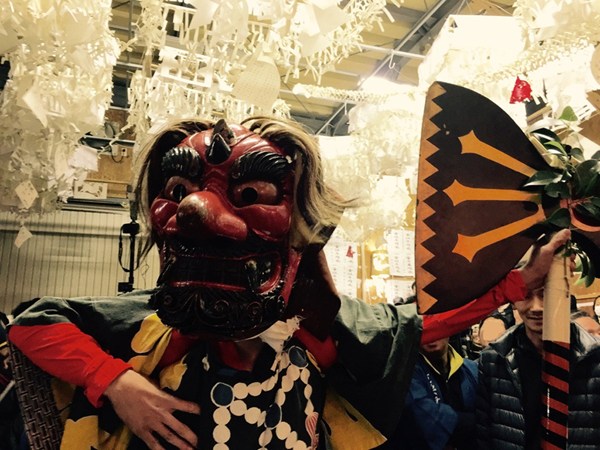
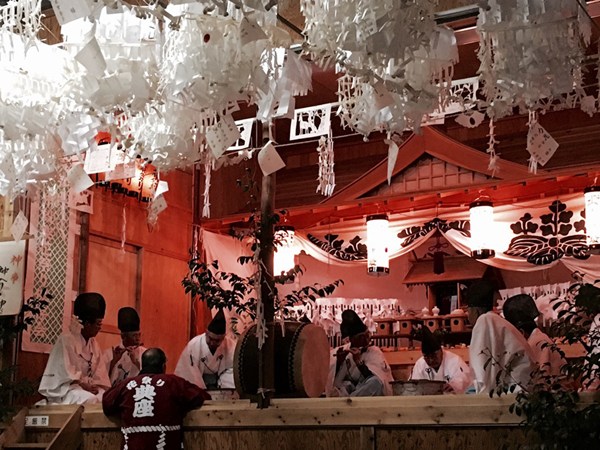
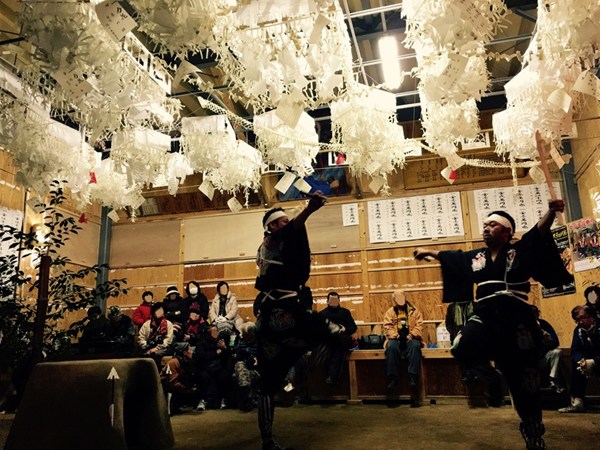
The Hana Festival is held annually in areas around the town of Toei from November to March and has continued for more than 700 years. It is even designated a national important intangible folk cultural property. Of the Hana Festivals, the one performed at Naka-Shitara is characteristically Shinto. Much of the festival's content is based on Shinto myths and the main demons appearing are named after Japan's Shinto gods. What is normally the Sakaki Oni Demon is referred to as god Sarutahiko no Mikoto, the Yamami Oni Demon is god Susano'o no Mikoto, and the Mokichi Oni Demon is god Okuninushi no Mikoto. During the dance, Japan's supreme goddess, Amaterasu no Omikoto hides in a cave, but once the other gods perform a Shinto dance in front of the cave, she is revealed as goes the Japanese lore.
• Time: 8:00 pm–3:00 pm the following day
• Location: Outside the Naka-Shitara Lifestyle Improvement Center :
Toei TownHana Festival (Naka-Zaike, Toei Town)
The only Hana Festival whose roots are recorded
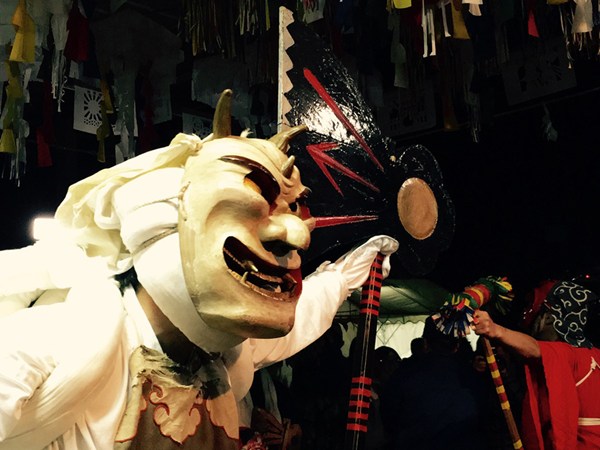
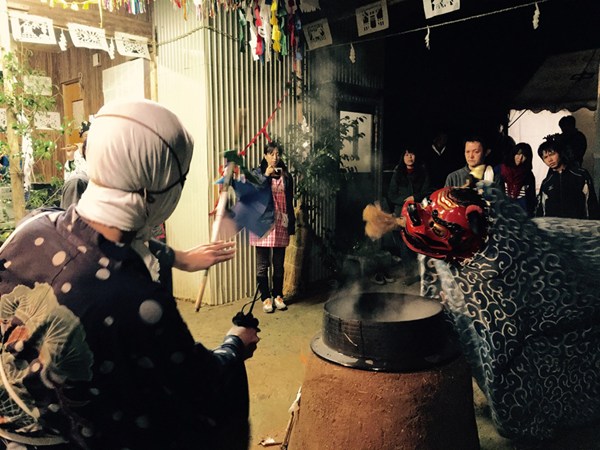
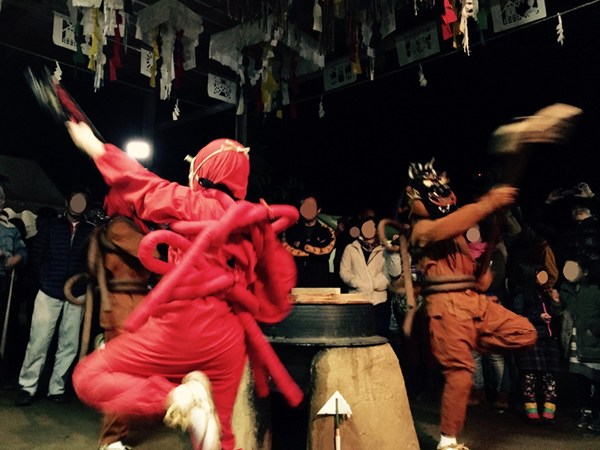
The Hana Festival is held annually in areas around the town of Toei from November to March and has continued for more than 700 years. It is even designated a national important intangible folk cultural property. Of these festivals, Naka-Zaike's is the only to have its roots recorded and thus it is known that its beginnings came from nearby Ashikome in 1872. Even with this rich history, the Nakazaike area has a small population and thus receives aid from other areas to keep the tradition going strong. Of particular interest is the Sakaki Oni Demon which comes out and the Yubayashi purification custom, where hot water is splashed around from straw brushes bringing good luck to spectators. The best way to enjoy a Japanese festival is to get in on the fun, so don't be afraid to make a once-in-a-lifetime memory.
• Time: 8:00 am–11:00 pm
• Location: Meijuso Elderly Rest Home :
Toei TownHana Festival (Futto, Toei Town)
A festival with a focus on history and tradition
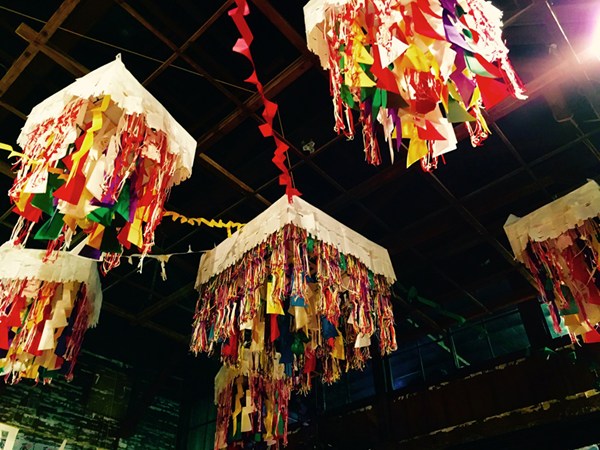
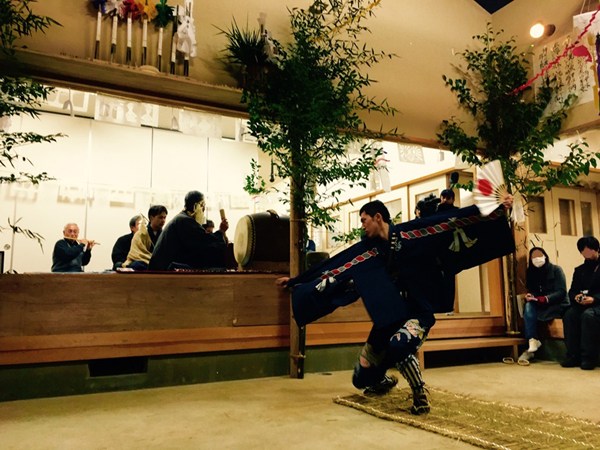
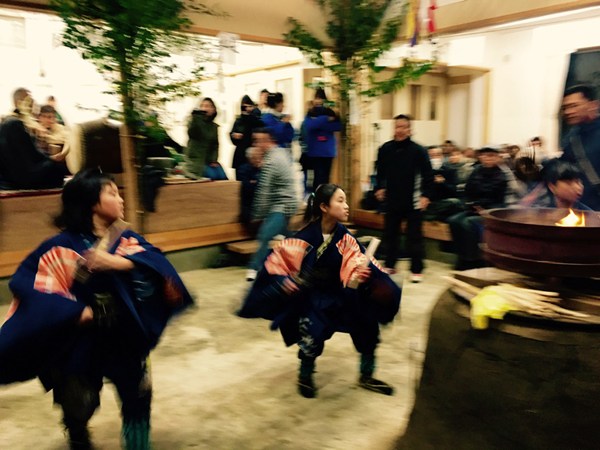
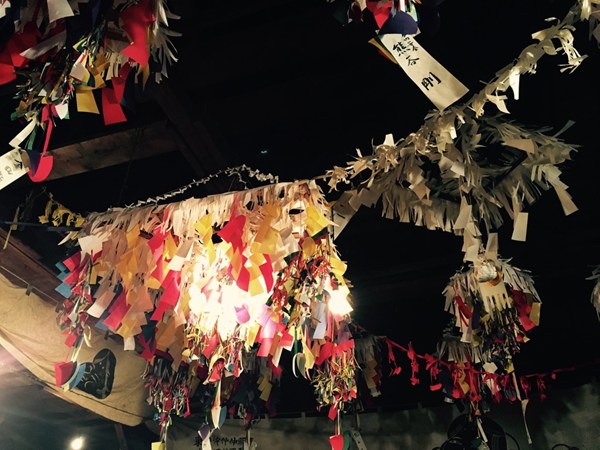
The Hana Festival is held annually in areas around the town of Toei and has continued for more than 700 years. It is even designated a national important intangible folk cultural property. Particularly at the Futto event, the Preservation Society relies on historical documents as it makes a point to keep the procedures as close to the original form as possible, including decorations using the five-colored paper and more.
• Time: 10:00 am–4:00 pm the following day
• Location: Futto Hall :
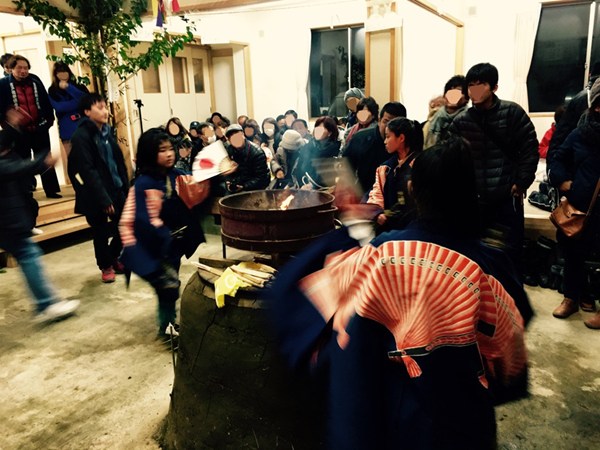
Shitara TownHana Festival (Tsugu, Shitara Town)
A national important intangible folk cultural property
"Te ho he, te ho he!", cry participants as they take part in a night-long Hana Festival, said to have begun at the end of the ancient Kamakura period by monks in training from Kumano. Tsugu's Hana Festival is held annually on January 2 at a dance space below Shirotori Jinja Shrine, welcoming the gods, dispelling evil spirits, and praying for a bountiful grain harvest and prosperity throughout the village. Festivities include a greater program of 24 dances from the Bachi Dance to the Shizume Dance, and a smaller program of 39 and religious ceremonies throughout the night.
• Time: 2:00 pm–7:00 am the following day
• Location: Shirotori Jinja Shrine :
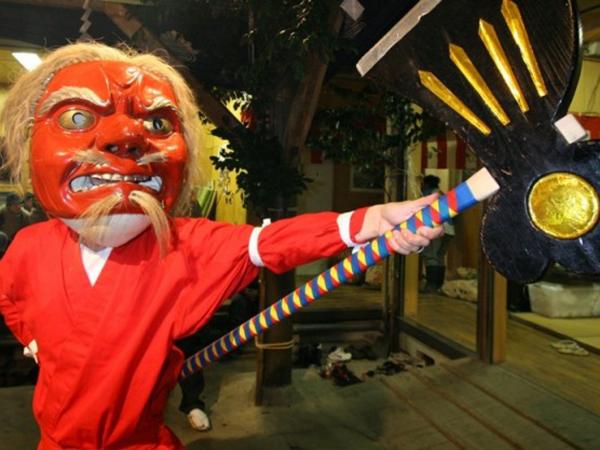
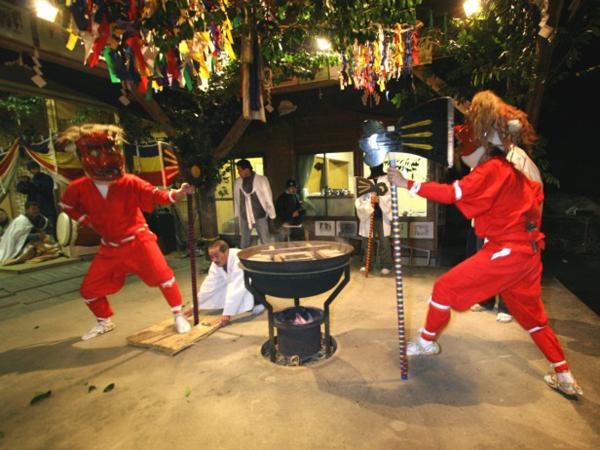
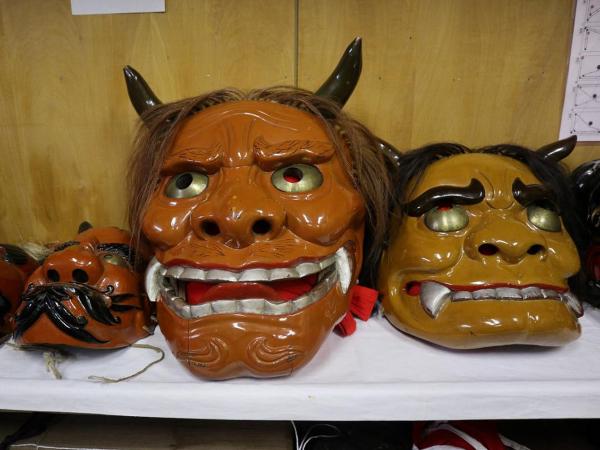
Toyone VillageHana Festival (Shimo-Kurokawa, Toyone Village)
An unusual traditional festival of the Okumikawa area
The Hana Festival is held at Honobono Hall, disability prevention facility. It has continued for more than 700 years and is even designated a national important intangible folk cultural property. The Hana Festivals in the surrounding villages all differ slightly, making for interesting observations. Remember that it's cold, so dress warmly!
• Time: 4:00 pm–3:00 pm the following day
• Location: Honobono Hall (Religious rites performed at Tsushima Jinja Shrine [3 Nakanishi, Shimo-Kurokawa, Toyone-mura].) :
Toyone VillageHana Festival (Kami-Kurokawa, Toyone Village)
Humorous dances at this popular festival
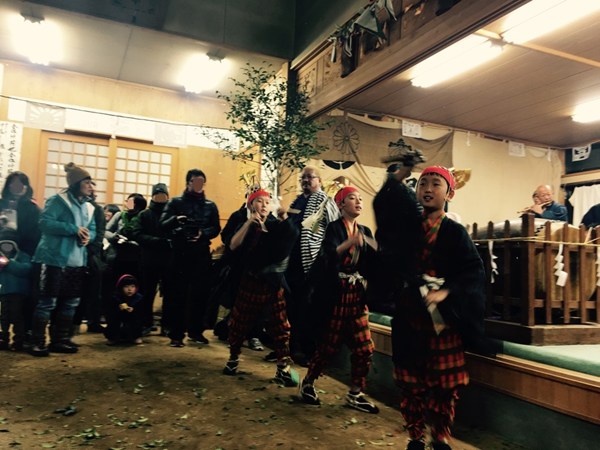
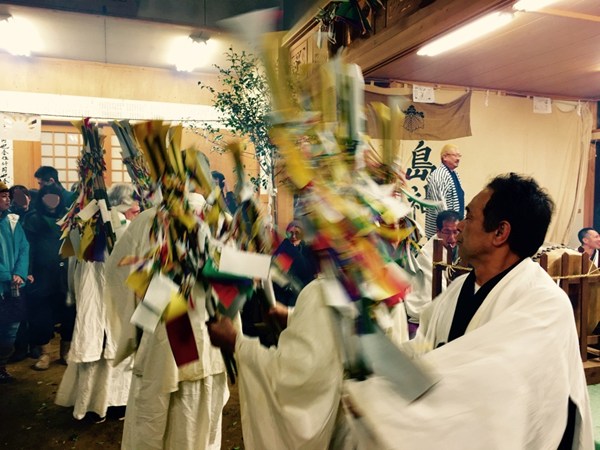
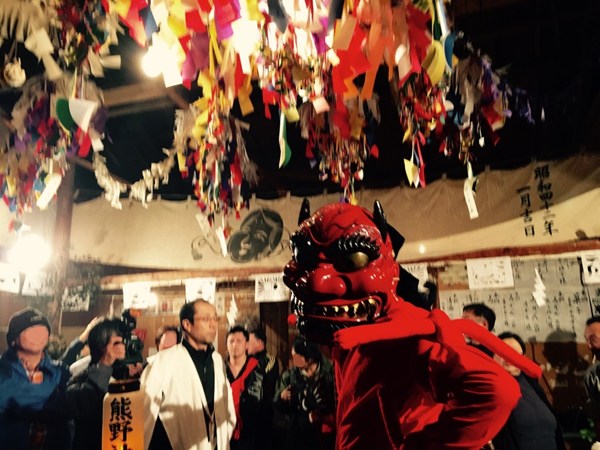
Kami-Kurokawa's Hana Festival is performed at Kumano Jinja Shrine. The unique festival is known around Japan and highly rated by those in the realm of folk academia. One character sports a black mask depicting an old man clad in ragged clothing, yelling, pinching his nose, and jumping around attempting to sell flowers while picking lice out of his hair—actions that will surely bring a smile to your face.
• Time: 5:00 pm–12:00 pm the following day
• Location: Kumano Jinja Shrine :
Toei TownHana Festival (Shimo-Awashiro, Toei Town)
Plenty of positive energy
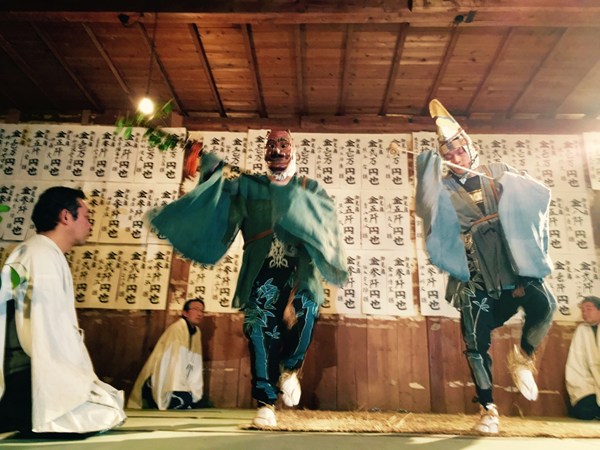
The Hana Festival is held annually in areas around the town of Toei and has continued for more than 700 years. It is even designated a national important intangible folk cultural property. A document dating back to 1806 indicates that the Shimo-Awashiro Hana Festival is the oldest in the area, and the religious rites are said to be carried out just as they had been ages ago. The festival prays for the spirits which have gone dormant in the winter earth to come back to life, and is thus held at the coldest time of the year. The locals are ardent in passing on the festival and its traditions; a desire which keeps the festival alive and well today.
• Time: Dance beginning: 8:00 am–9:00 pm
• Location: Shimo-Awashiro Life Improvement Center :