


 FOUR SEASONS
Japan has four seasons, and its people live in harmony with nature.
In spring, people sow the seeds of crops and in summer, they pray to be protected from natural disasters and plagues. Autumn is a season for giving thanks, and the harsh cold of winter toughens people's spirits. People's lives are rooted in the seasons, and their sentiments are distilled and expressed through festive events. That's why there's a drama to festivals. Folk's souls stir with the passion handed down through generations.
Many festivals are held in Aichi throughout the year. Because the climate varies across the regions, a variety of flowers bloom, and flower events are always a success drawing many admirers. Now, let's dive into Aichi. If you can feel the seasons changing, then you're getting closer to Aichi.
Spring
Spring in Japan is a season for planting rice, and symbolizes a new start. This is the reason why festivals praying for a good harvest are held in each region. The Honen Festival (Komaki City) held at Tagata Shrine is one of the strangest festivals, where people parade around carrying a portable shrine in the form of a carved wooden phallus. There are also festivals where crowds of people pull gorgeously decorated floats such as the Inuyama Festival (Inuyama City) and the spring Festival Car Festival (Tokoname City).
Recommended Events
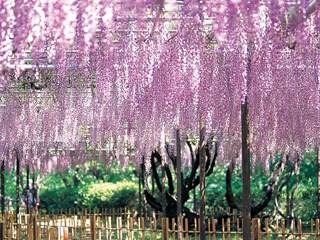
- Hekinan-CityKoto Garden Wisteria Festival
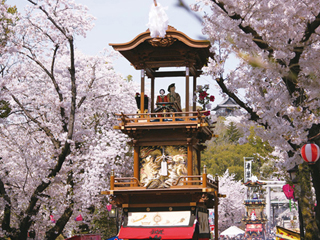
- Inuyama-CityInuyama Festival
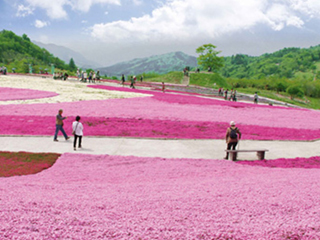
- Toyone-VillageShibazakura Festival
Other Events
- Nagashino Battle Flag Festival
- Honen Festival (Tagata Shrine)
- Field Mustard Festival
- Iwakura Cherry Blossom Festival
- Ieyasu Procession
- Shiseki Yatsuhashi Kakitsubata Festival
- Chiryu Festival
- Spring Dashi(float)Festival
- Chainsaw Art Competition
- Memeda River Field Mustard / Cherry Blossom Festival
- Nagoya Women's Marathon
Summer
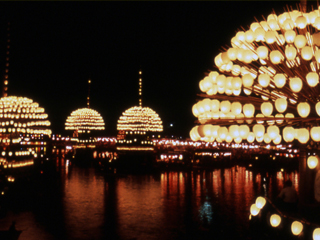
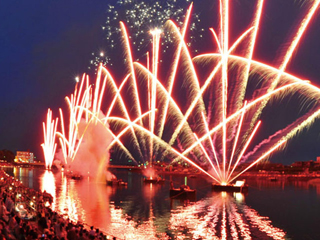
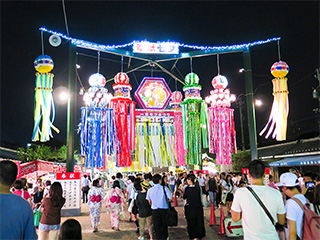
In summer, natural disasters such as droughts and floods tended to trigger the spread of plague. That's why many festivals like Owari Tsushima Tenno Festival (Tsushima City) and Toyohashi Gion Festival held during this season are devoted to praying for protection against natural disasters and plagues. Another feature of the festivals is that many of them are often held at night along rivers. Kisogawa Ukai (Inuyama City) in which cormorants are used to catch fish and regional summer night fireworks are a clever way of avoiding the hot sun and enjoying festivals in the cool.
Recommended Events
Other Events
- Lotus Flower Viewing Party
- Inazawa Hydrangea Festival
- Okazaki Castle Summer Festival
- Tankororin Candle Night
- Owari Nishibiwajima Festival
- Nagoya Grand Sumo Tournament
- Star Festival
- World Cosplay Summit
- Nippon Domannaka Festival
- Mikawa Isshiki Lantern Festival
- Miyoshi Giant Lantern Festival
- Kariya Mando Festival (Akiba Shrine Festival)
Autumn
Autumn in Japan, when the mountains change color to red and yellow, is known as the "season for outings". During this time, Autumn Leaves Festivals are held in places famous for their autumn foliage, like Korankei, Jokoji Temple, Mt. Horaijisan and Jakkoin Temple. Furthermore, many of the places are lit up at night, when they take on a magical ambience quite different from the day time.
Recommend Events
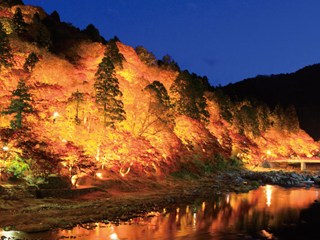
- Toyota-CityKorankei Momiji Festival
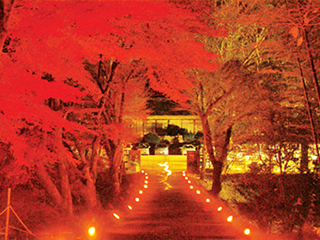
- Shinshiro-CityMt. Horaiji Maple Festival
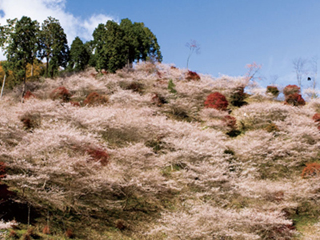
- Toyota-CityObara Shikizakura Festival
Winter
Winter is the off-season for farmers, and is a time when people toughen their spirits through endurance of the harsh cold. Major winter festivals include the Konomiya Hadaka Matsuri (Inazawa City), a purification ritual, and the Toba Fire Festival (Nishio City) with its spectacular bonfires. Winter festivals are also marked by ogres appearing in many of them, such as in the Oni Festival (Toyohashi City) and the Takisanji Temple Oni Festival (Okazaki City). People cast away their demons, and purify their body and soul ready to welcome the coming spring.
Recommended Events
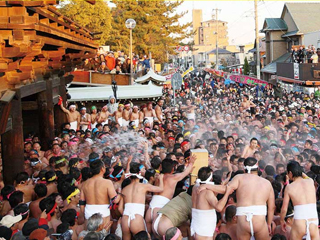
- Inazawa-CityKonomiya Hadaka Matsuri
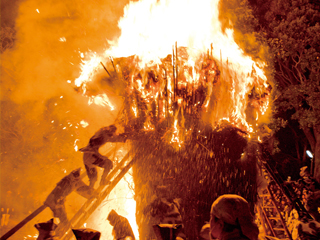
- Nishio-CityToba Fire Festival
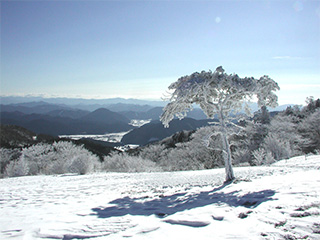
- Toyota-CityMennoki Soft Rime Virgin Forest