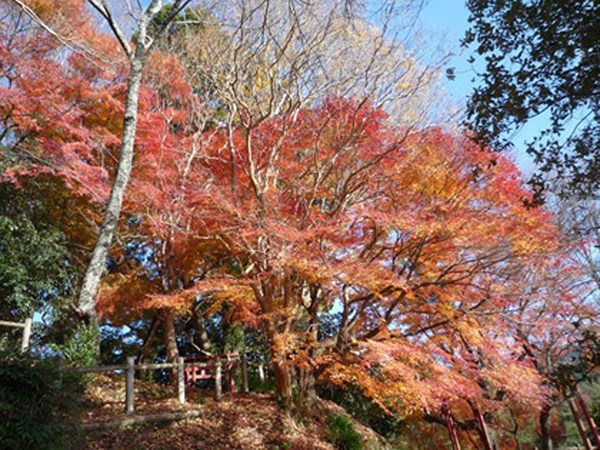


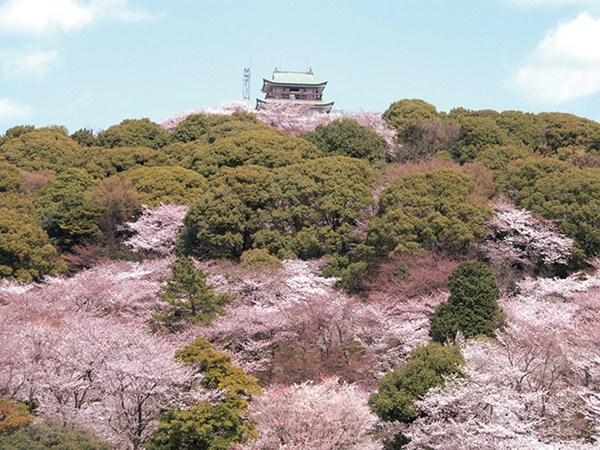
Komakiyama CityKomakiyama Castle
Nobunaga’s stepping stone to victory: Komakiyama Castle
Komakiyama Castle is a small yet historically and strategically important castle, constructed in 1563 atop 86-meter-high Mt. Komaki, providing unhindered views across the Nobi Plain. The castle would be the first to make extensive use of defensive stoneworkand serve as a template for the future magnificent Azuchi Castle.
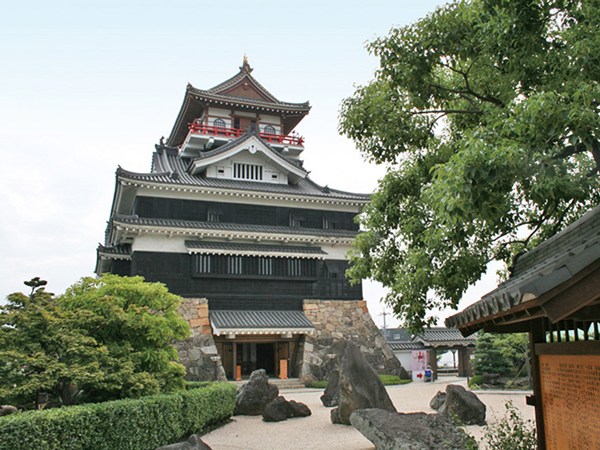
Kiyosu CityKiyosu Castle
Nobunaga’s seat of power: Kiyosu Castle
Kiyosu Castle was built around 1405 and captured by Oda Nobunaga in 1555, killing his brother in the process. He made it his seat of power and residence, launching many major battles from the fortress. Thanks to foreign missionaries’ reports back to Europe, the castle came to be known as “One of the Greatest Castles on Earth”.
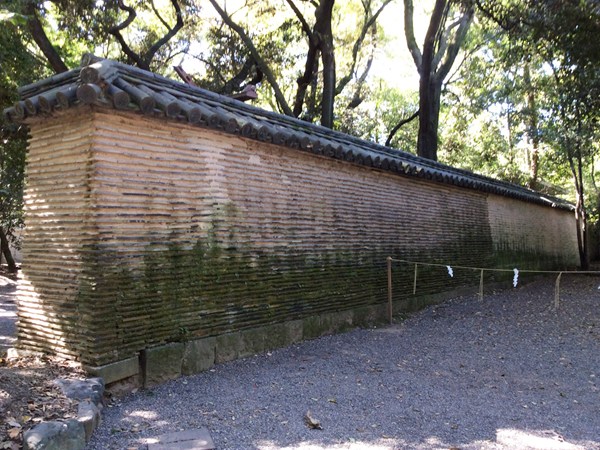
Nagoya CityAtsuta Jingu Shrine’s Nobunaga Wall
A protective wall in thanks for a military victory
Nobunaga built a protective wall around Atsuta Shrine following his remarkable 10-1 victory at the Battle of Okehazama. Nobunaga had prayed for victory at Atsuta Shrine prior to entering the battle, and in gratitude, constructed the impressive Nobunaga Wall.
Nagoya City and Toyoake CityOkehazama Battlefield
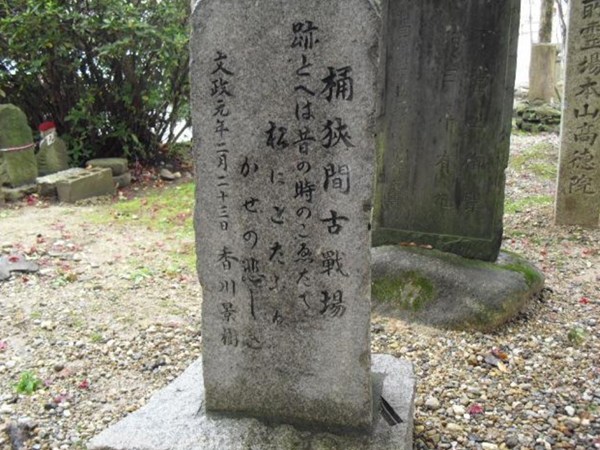
In June of 1560, Nobunaga defeated an invading army of 25,000 Imagawa clan troops, with just 2,500 of his own samurai. It was one of Nobunaga’s finest victories, facing the Imagawa at a ratio of ten to one! Two battlefields commemorate the skirmish—one in Midori Ward of Nagoya City and another in neighboring Toyoake City.
Shinshiro CityBattle of Nagashino Shitaragahara
One of the most famous samurai battles,the Battle of Nagashino, also known as the "Battle of Shitaragahara", took place on May 21st, 1575. The invading Takeda army was halted by Nobunaga’s 2-kilometer long wooden palisades and 3,000 matchlocks guns, becoming one of the first major gun battles in samurai history.