


Toyota-City Obara Shikizakura Four-Season Cherry Blossom Festival
Date: Nov 21,2026(Sat) ~ Dec 6(Sun)
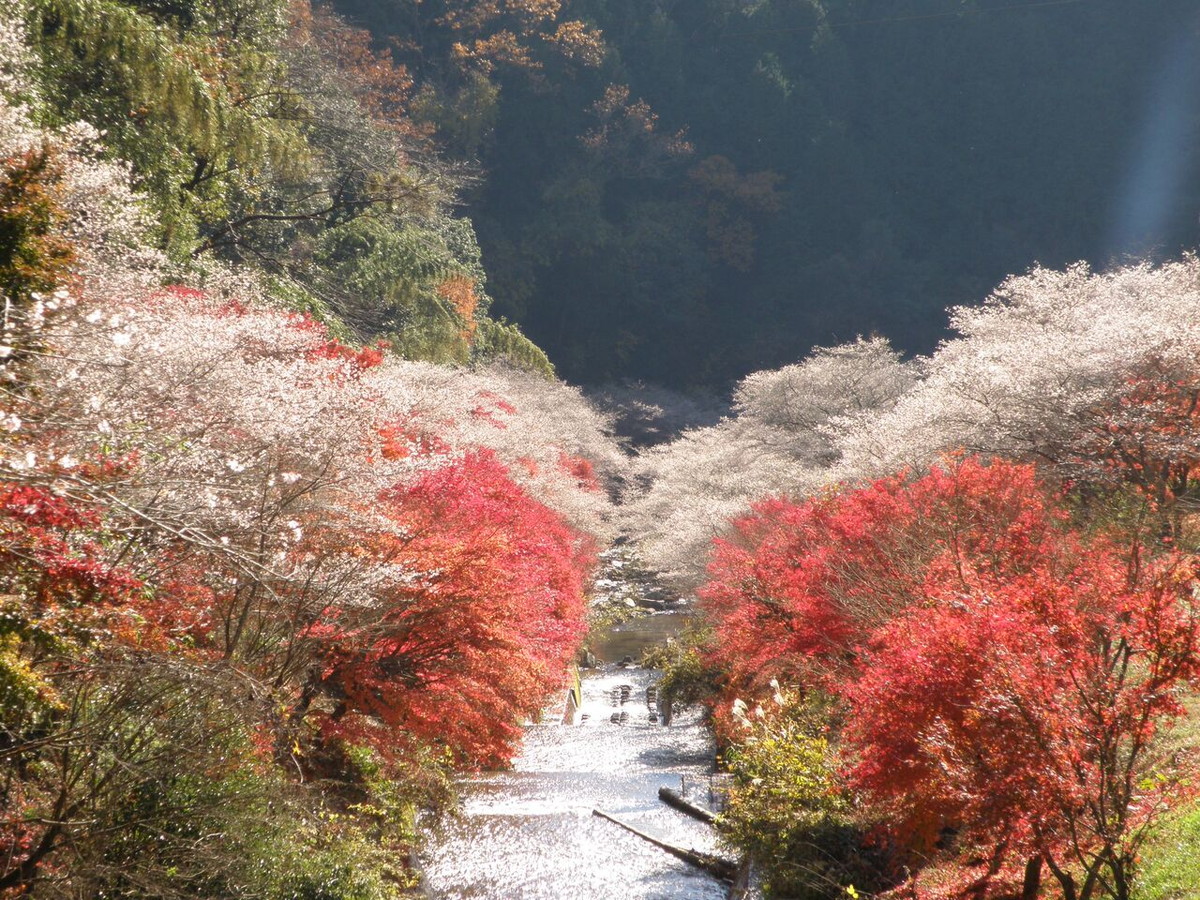
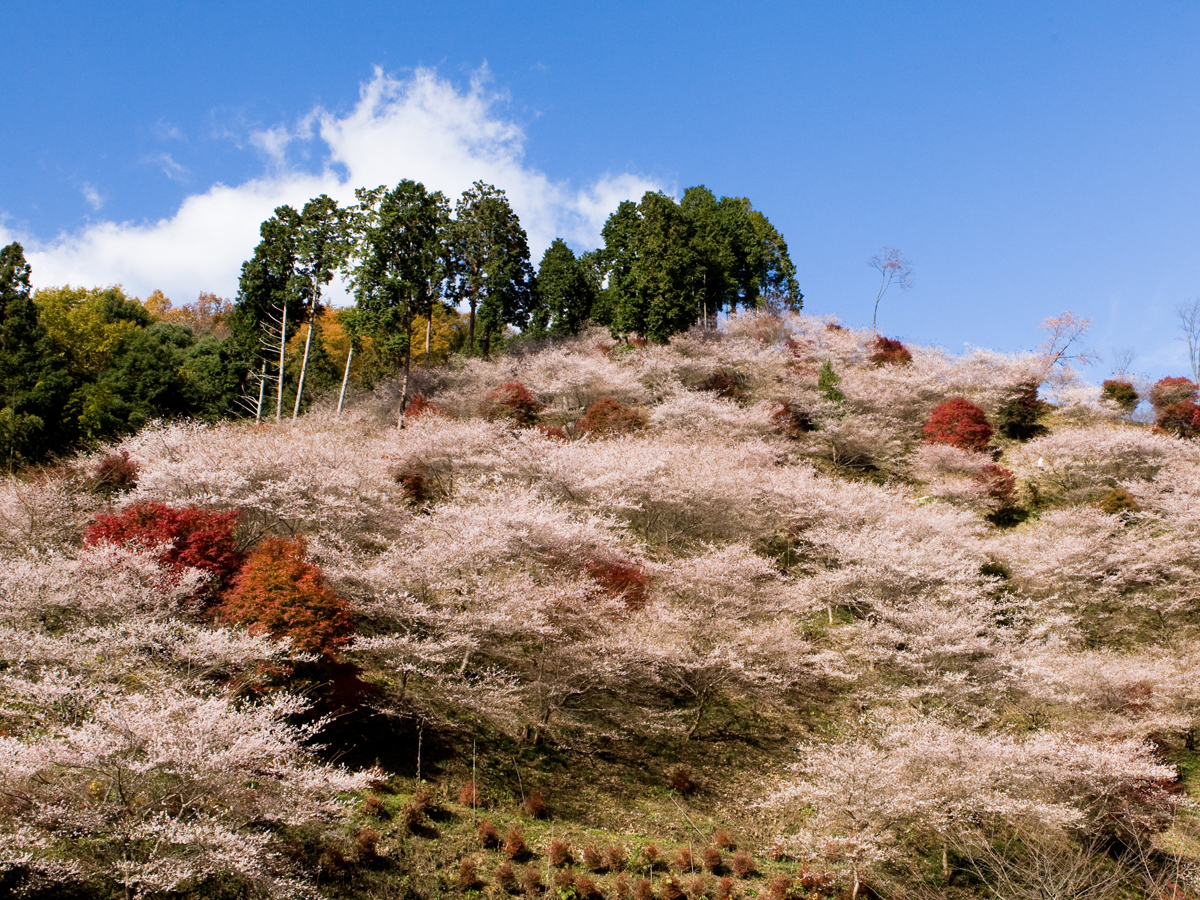
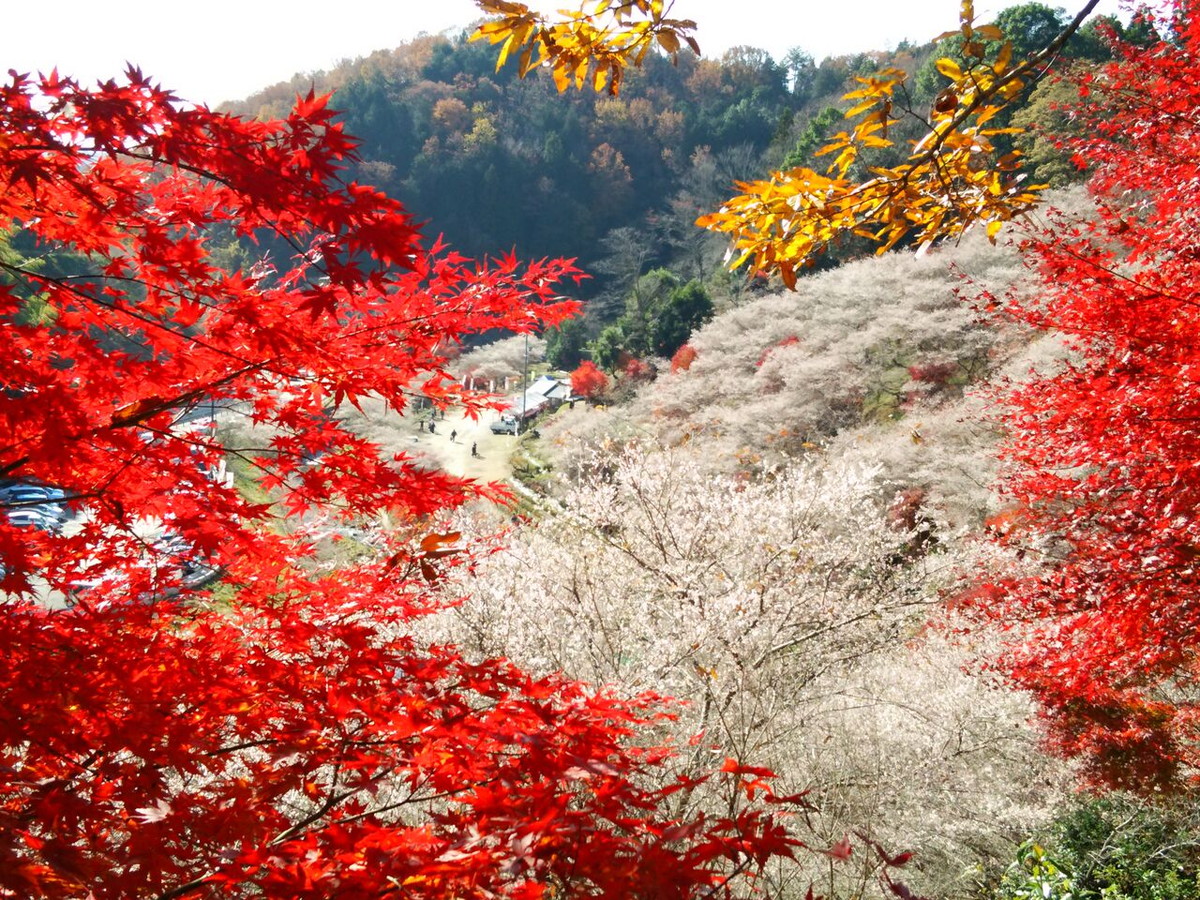
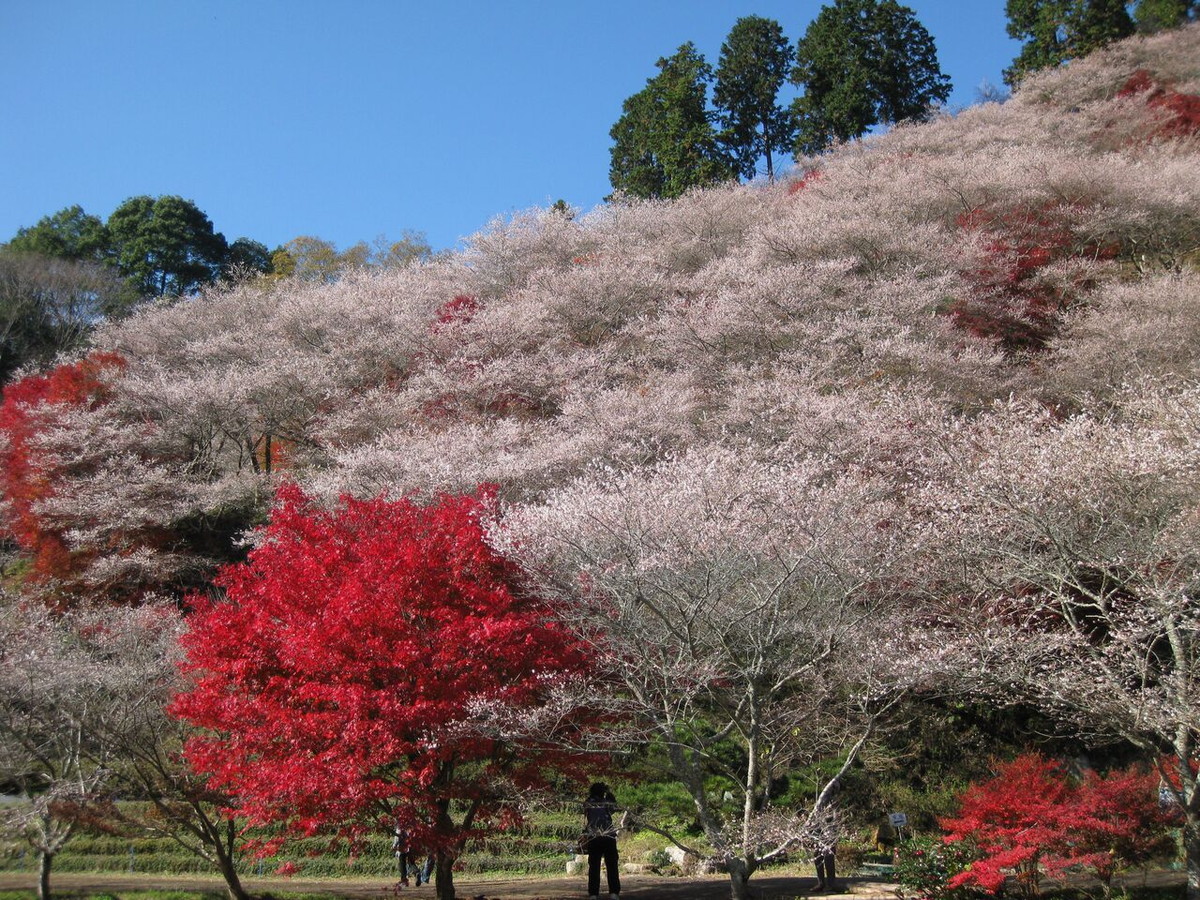
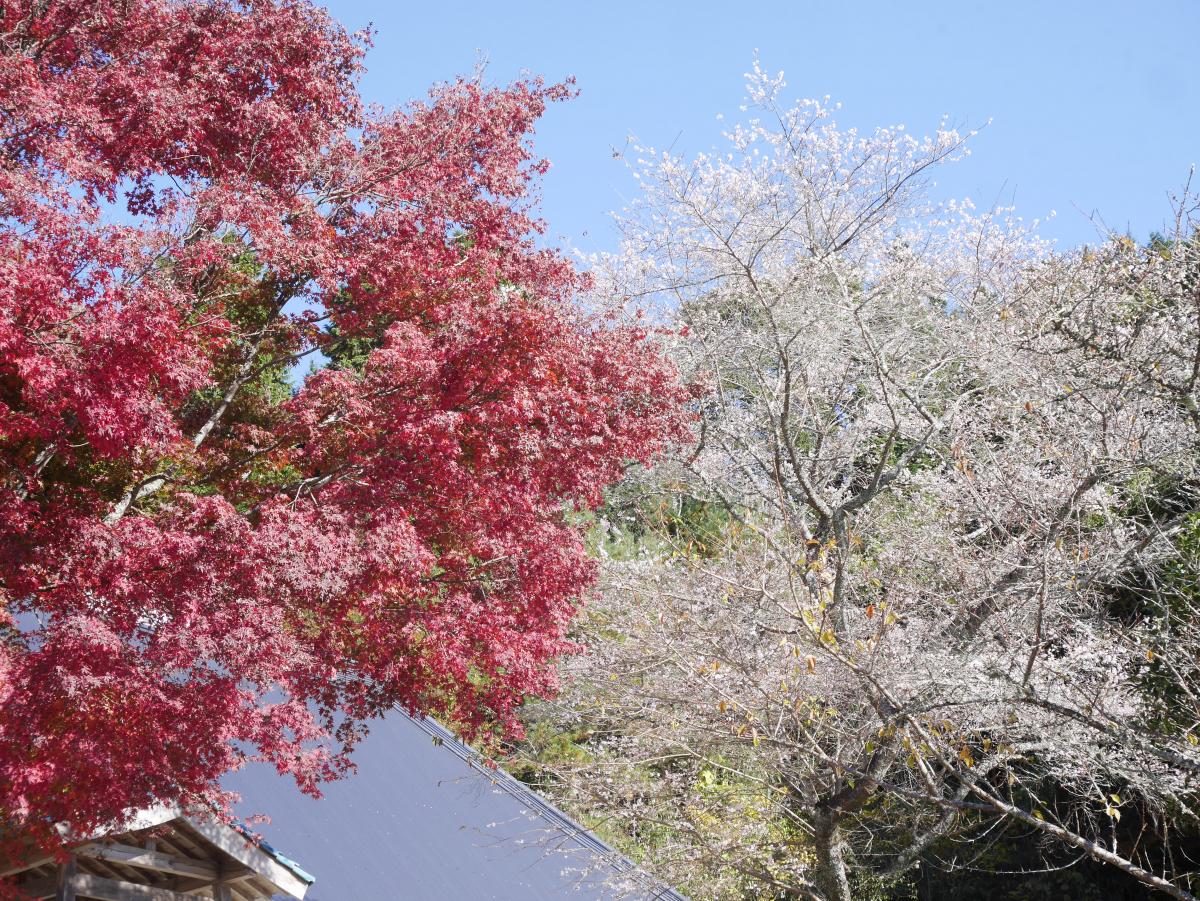
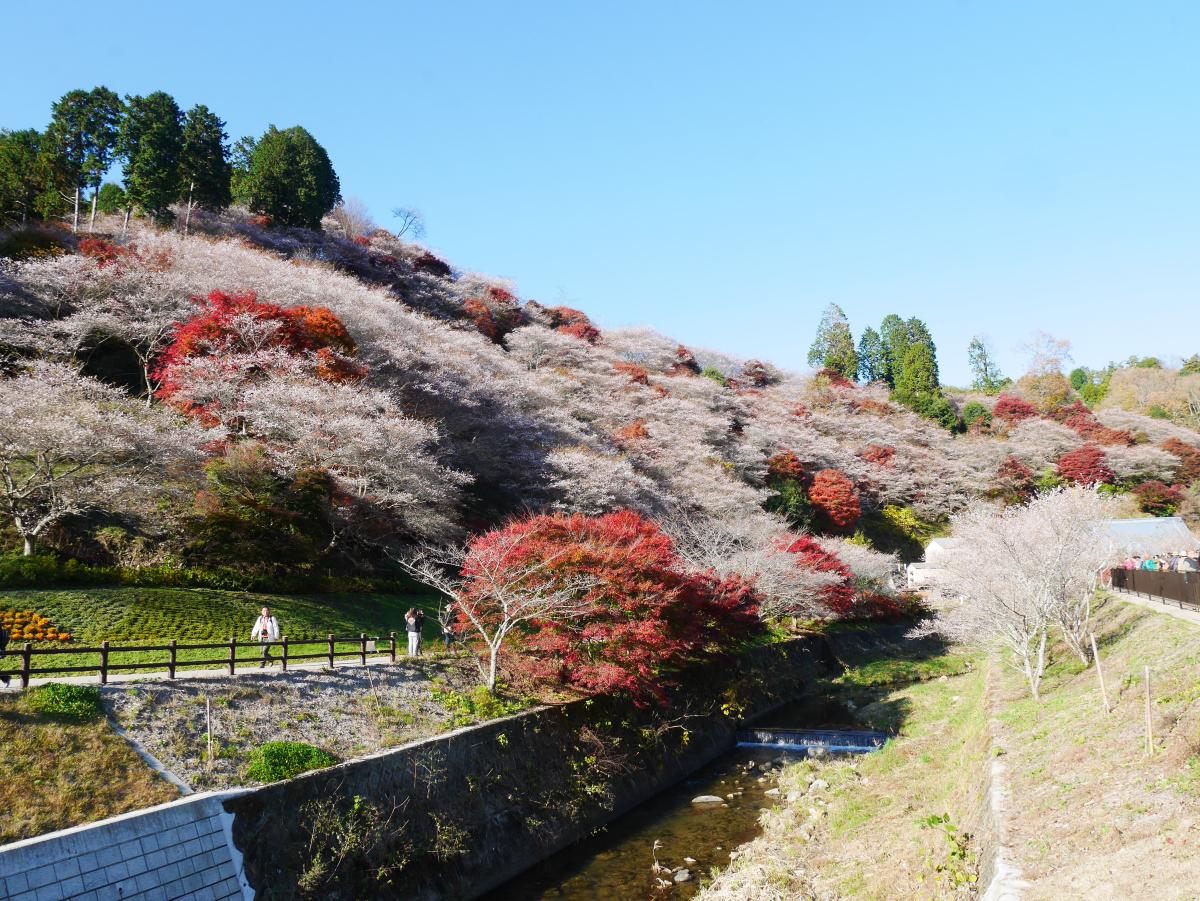
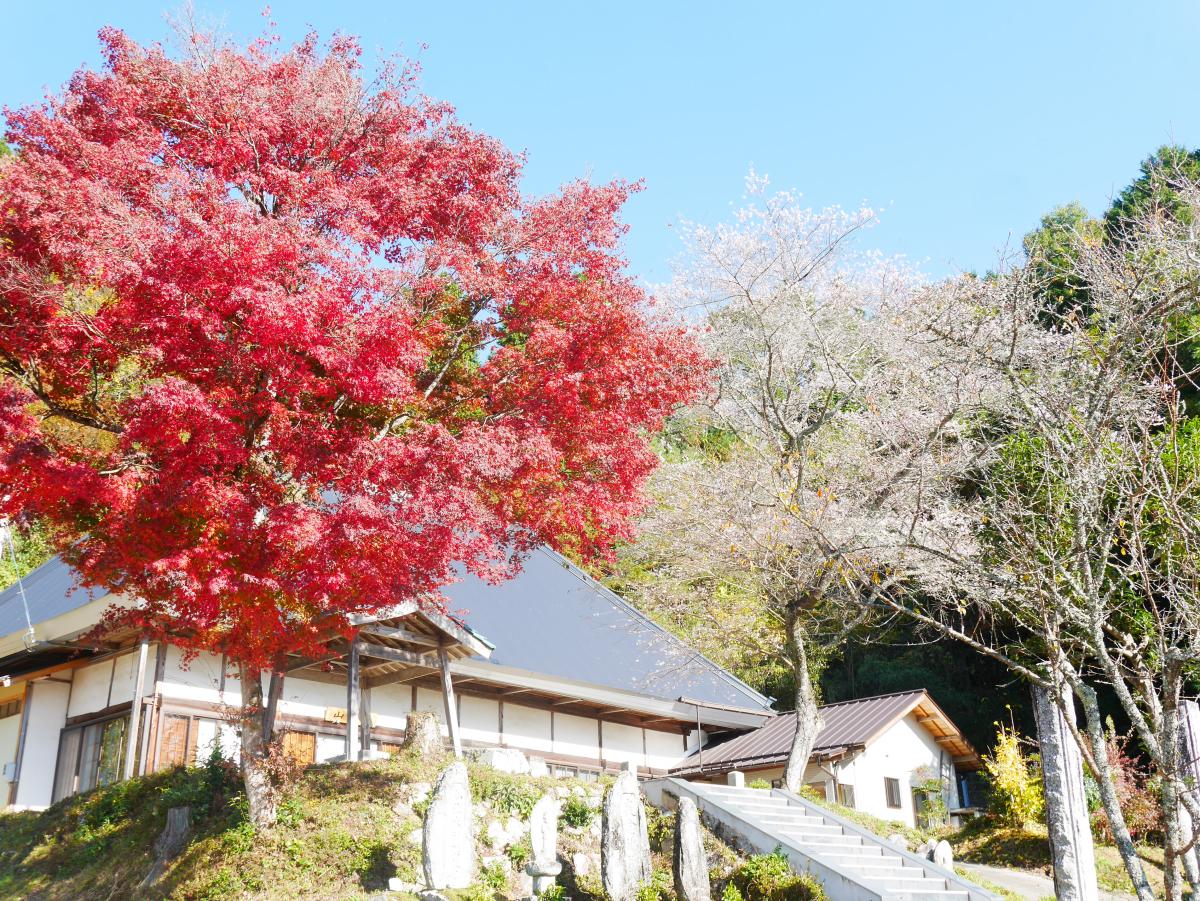
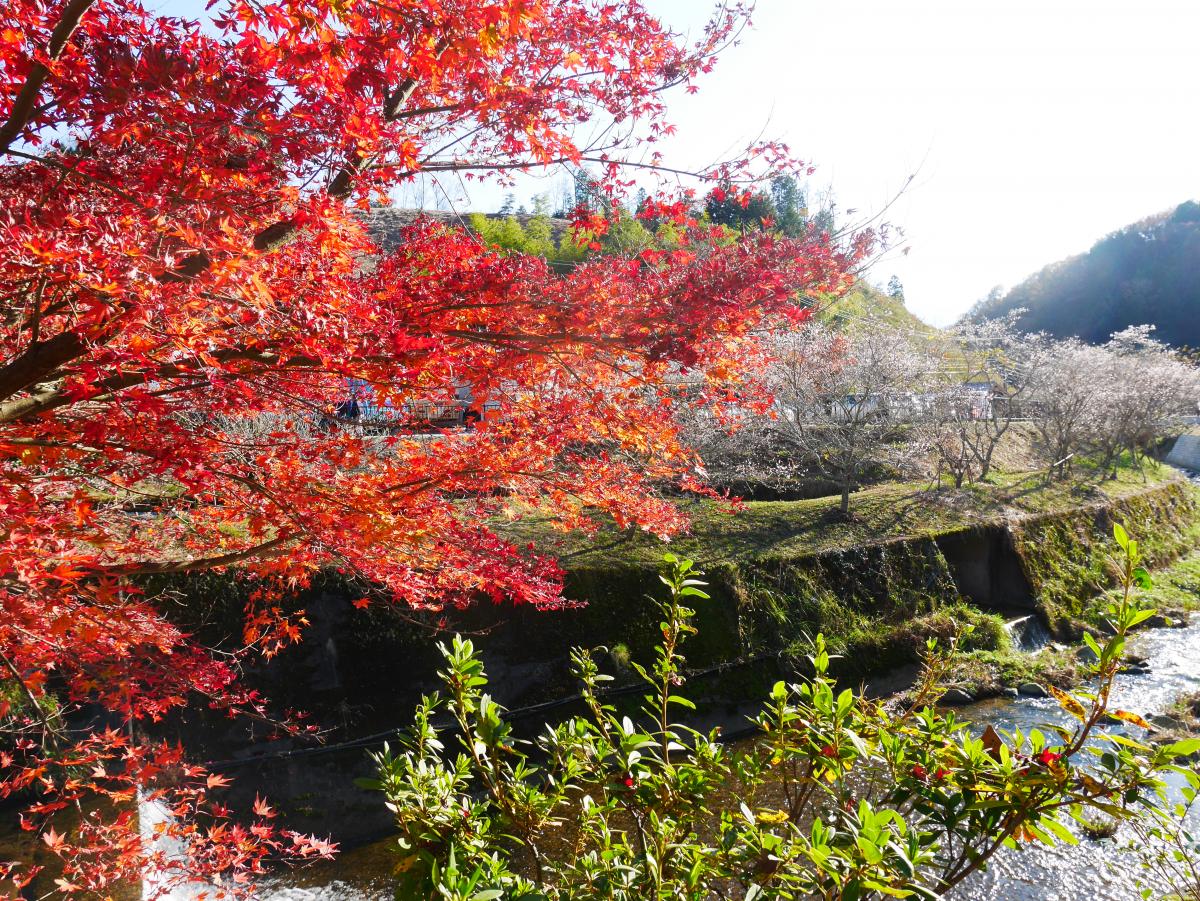
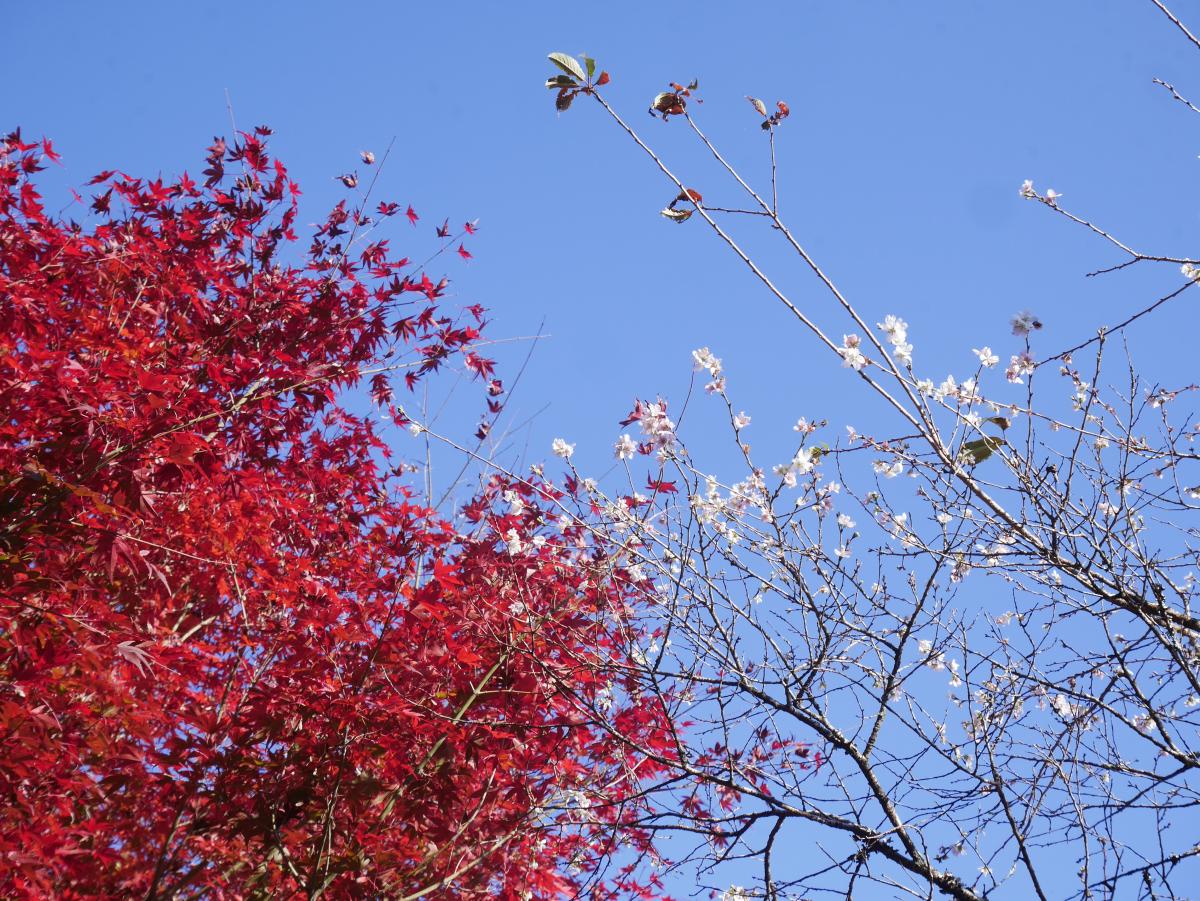
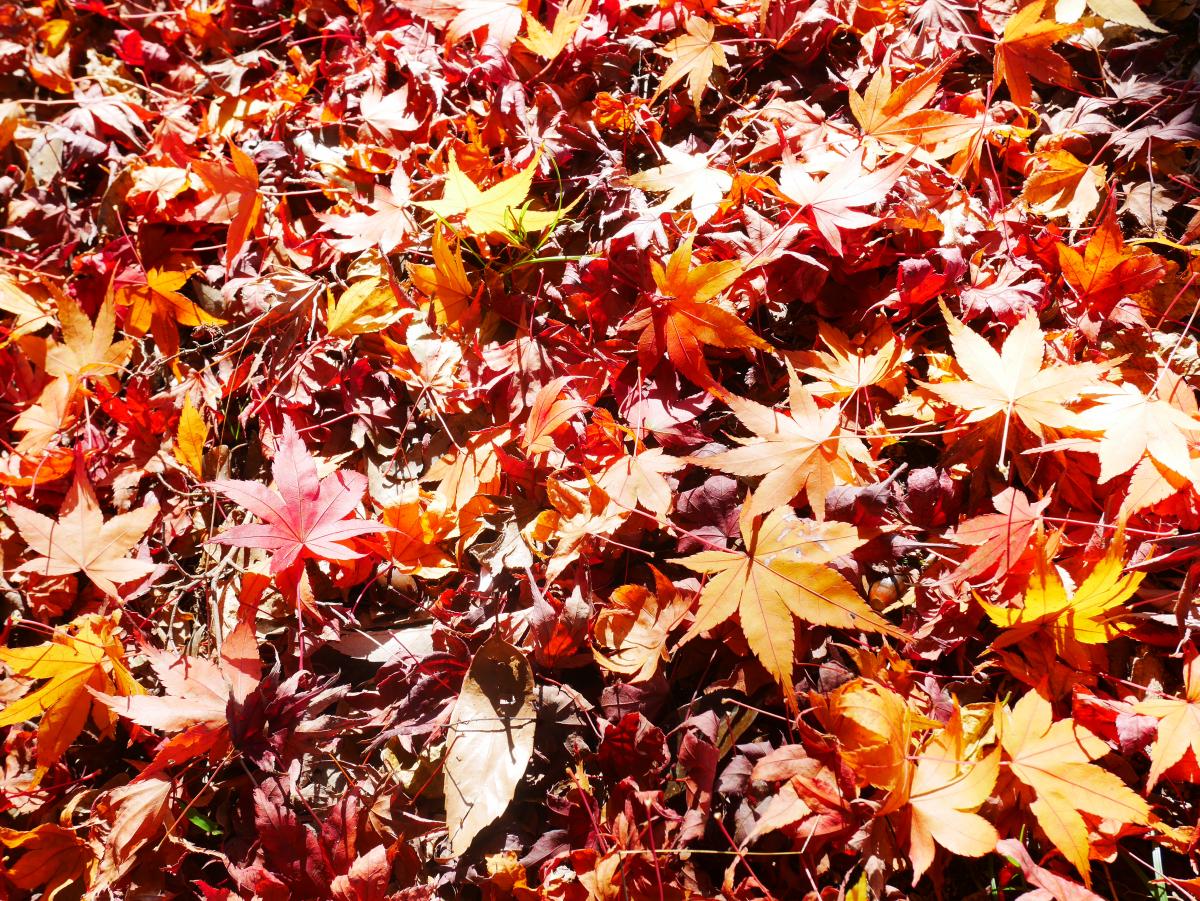
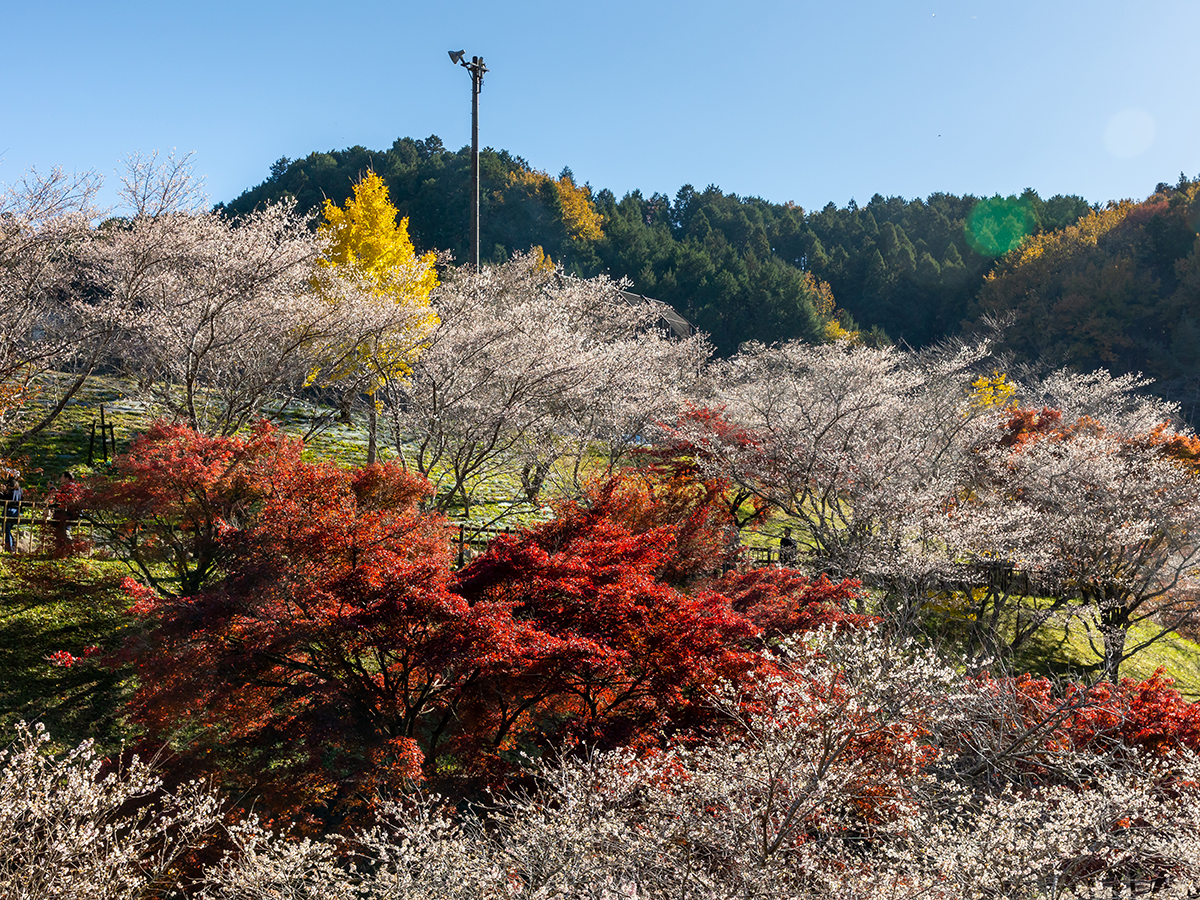
A scenic collaboration between 10 thousand cherry blossoms and fall leaves
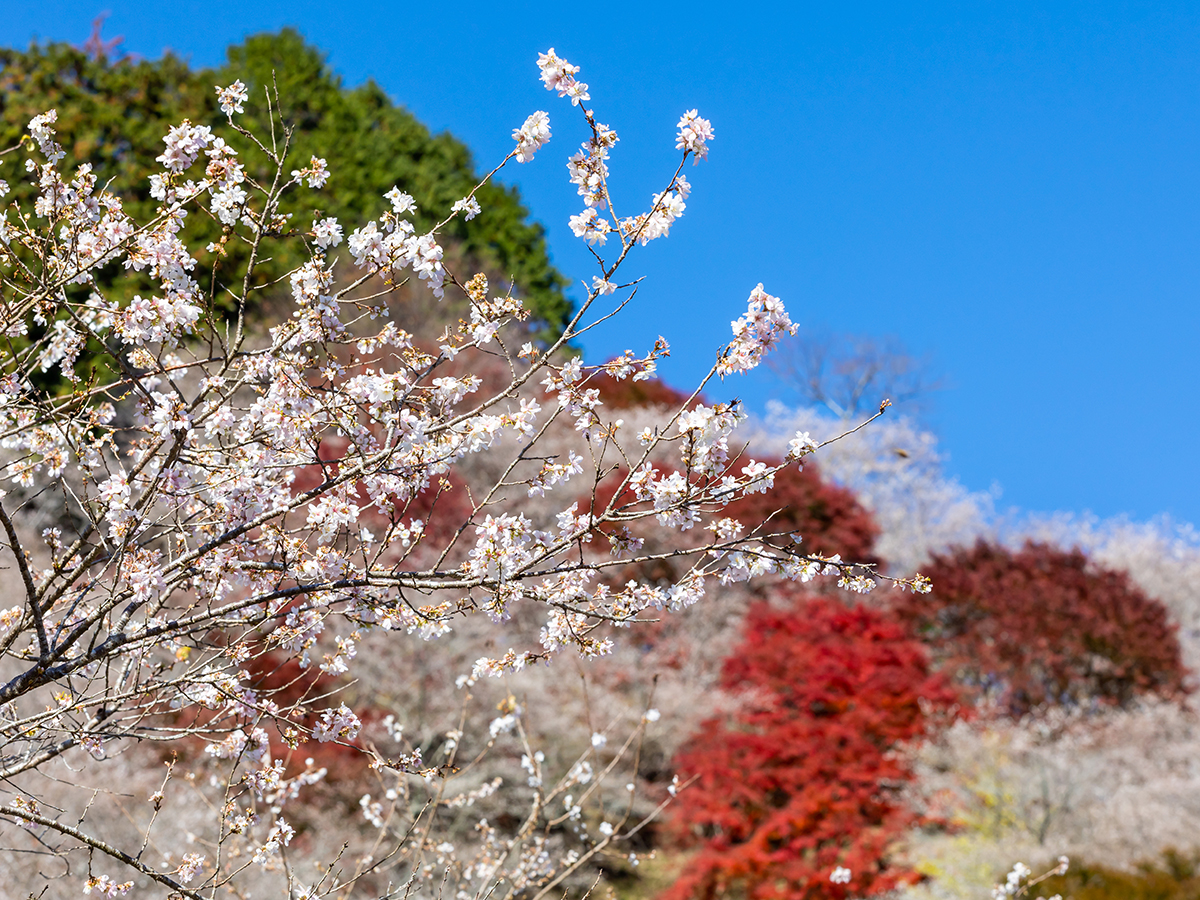
The Obara area of Toyota City is unique in that it offers the light pink hues of cherry blossoms at the same time as the fiery red colors of autumn leaves. Cherry blossoms normally only bloom in the spring, but Obara offers a unique variety of the tree. This variety is known as "shikizakura", or "four-season cherry blossoms" and blooms twice a year—once in the spring and once in the fall—for a stunning sight unavailable in most places.
The Obara Shikizakura Four-Season Cherry Blossom Festival is a large-scale event in the area, and takes place across multiple locations with food and merchandise vendors setting up shop so you can satiate your appetite and buy the perfect souvenir as you take in the beauty.
Details on the Obara area's four-season cherry blossoms
History
Obara's four-season cherry blossoms are said to have come from saplings received from the Nagoya area and planted by Dr. Genseki Fujimoto from the town of Obara-Kita during the Bunsei period, 1818–1831.
Characteristics
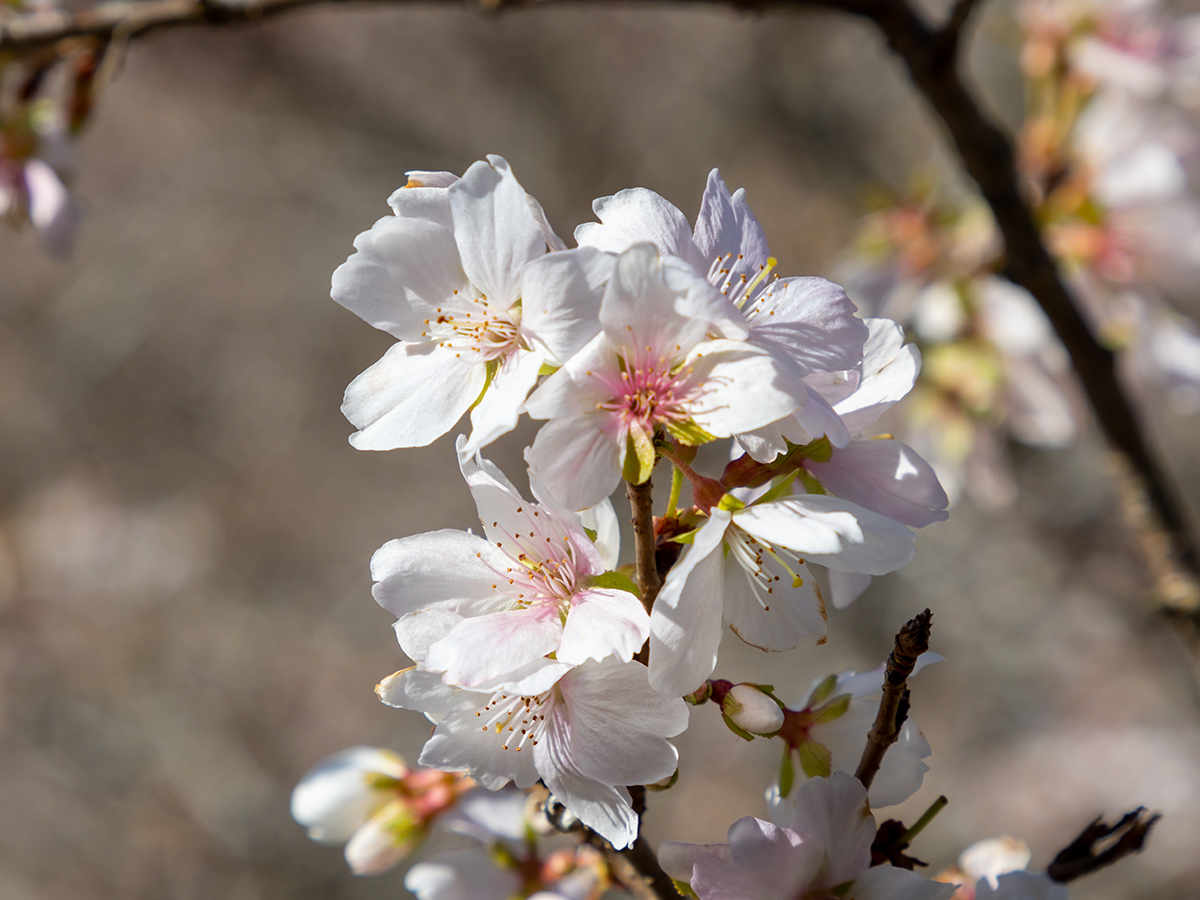
The trees are thought to be a cross between Cerasus incisa and Cerasus itosakura, and bloom into a shade of white or light pink. The fat buds which develop during the summer blossom from autumn to winter in turn with smaller flowers waiting through the winter for mid-March when they start to blossom. Coinciding with timing of the leaves coming back on the trees, the spring blossoms appear relatively fewer in number as those in the fall.
Designation as a natural monument
These four-season cherry blossoms were designated the Obara area's natural monument in 1978. The pride of the residents has given way to efforts to increase the number of trees, and so you can find them all around Obara. The four-season cherry blossoms owned by Mamoru Nimura in the town of Maebora receive special conservation status as they are more than 100 years old and were even designated natural monuments of the prefecture of Aichi on November 28, 1984.
Spring: Mid-Mar–early Apr / Fall: Late Oct–early Dec
The perfect time to enjoy the flowers is typically mid-Nov–late Nov.
Notes:
• Times vary by year.
• The cherry blossoms in Obara differ from typical cherry blossoms and bloom more significantly in fall with smaller blossoms in spring.
Blooming updates: Obara Tourism Association site (External link. Japanese only, but offers dates and pictures.)
Note that there are long distances between each venue.
• For those walking: Obara Fureai Park→35 min.→Obara Paper Art Museum→30 min.→Semmi Shikizakura no Sato Park→25 min.→Maebora Four-Season Cherry Blossoms
• For those coming by car:
Obara Fureai Park→5 min.→Obara Paper Art Museum→5 min.→Semmi Shikizakura no Sato Park→4 min.→Maebora Four-Season Cherry Blossoms
OTHER SPOTS IN THE SURROUNDING AREA
 Toyota-City
- Shikizakura Four-Season Cherry Blossoms at Obara Fureai Park
- Obara Fureai Park is an oasis for the Obara area of Toyota City. Stroll along pathways aro...

 Toyota-City
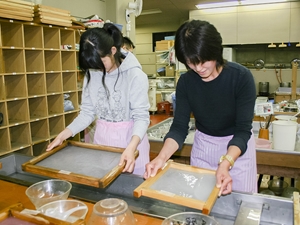
- Obara Paper Art Museum (Toyotashi Washi no Furusato)
- Culture is spread through information, information is spread through communication, commun...


 Toyota-City
- Semmi Yakushiji Temple and Semmi Shikizakura no Sato Park
- This ancient temple of the Buddhist Shingon sect has been cherished for eons by local resi...
Event info


| Date | Sat, Nov 15–Sun, Nov 30, 2025 |
|---|---|
| Time | 9:00 am–4:00 pm |
| Location | Obara Fureai Park, Obara Paper Art Museum, Semmi Shikizakura no Sato Park, Hokubu Life Improvement Center |
| Location | 〒470-0531 456 Magohachi, Obara-cho, Toyota-shi, Aichi Note: • The Access Map shows the location of Obara Fureai Park. |
| Parking | Pay parking available (Over 200 spaces at Obara Fureai Park. JPY 1,000/vehicle.) Note: • Parking at Semmi Shikizakura no Sato Park available, though restrictions apply. Contact the Obara Tourism Association for details. |
| Restrooms | Available |
| Inquiries | 0565-65-3808 (Obara Tourism Association) Notes: • Available 9:00 am–4:00 pm, Mon–Fri. |
Note: This page may not be current due to update time differences between site databases.
Should accuracy be critical, please verify this information using a direct source, whenever possible.
DIRECTIONS
-

- By public transportation
- From Nagoya Station, take the Higashiyama Subway Line, and get off at Fushimi Station. Change to the Tsurumai Line and get off at Toyotashi Station. Take the Toyota Oiden Bus's Obara Line bound for Kami-Nigi. Get off at the Washinofurusato Bus Stop and walk 1 min.
-

- By car
- Exit from Toyota-Fujioka Interchange on the Tokai-Kanjo Expressway or Nakayama Interchange on Sanage Green Road and drive on Route 419 for 15 km in the direction of Mizunami.
Share spot via smartphone