


- HOME
- Search in the site
- Tokaido Miya-juku / Miya-juku museum
Tokaido Miya-juku / Miya-juku museum
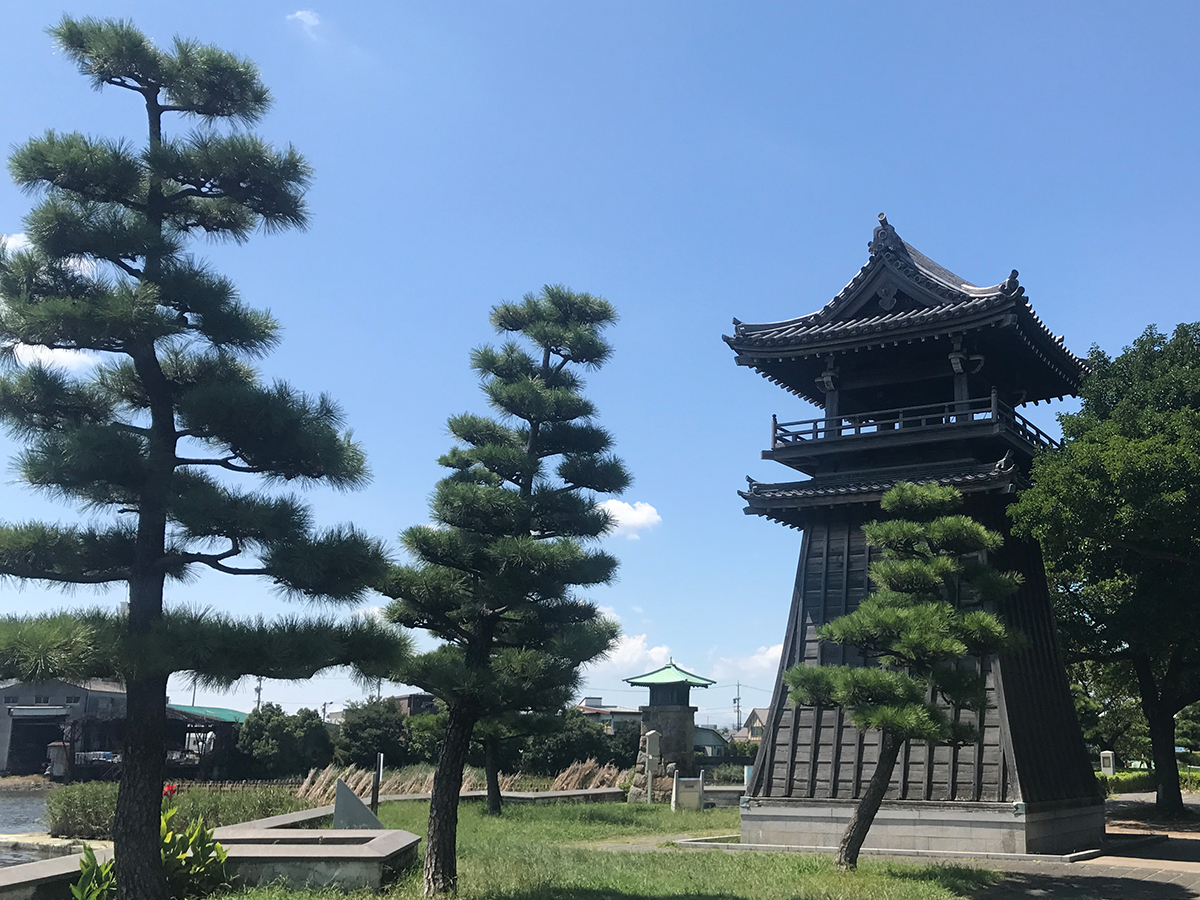
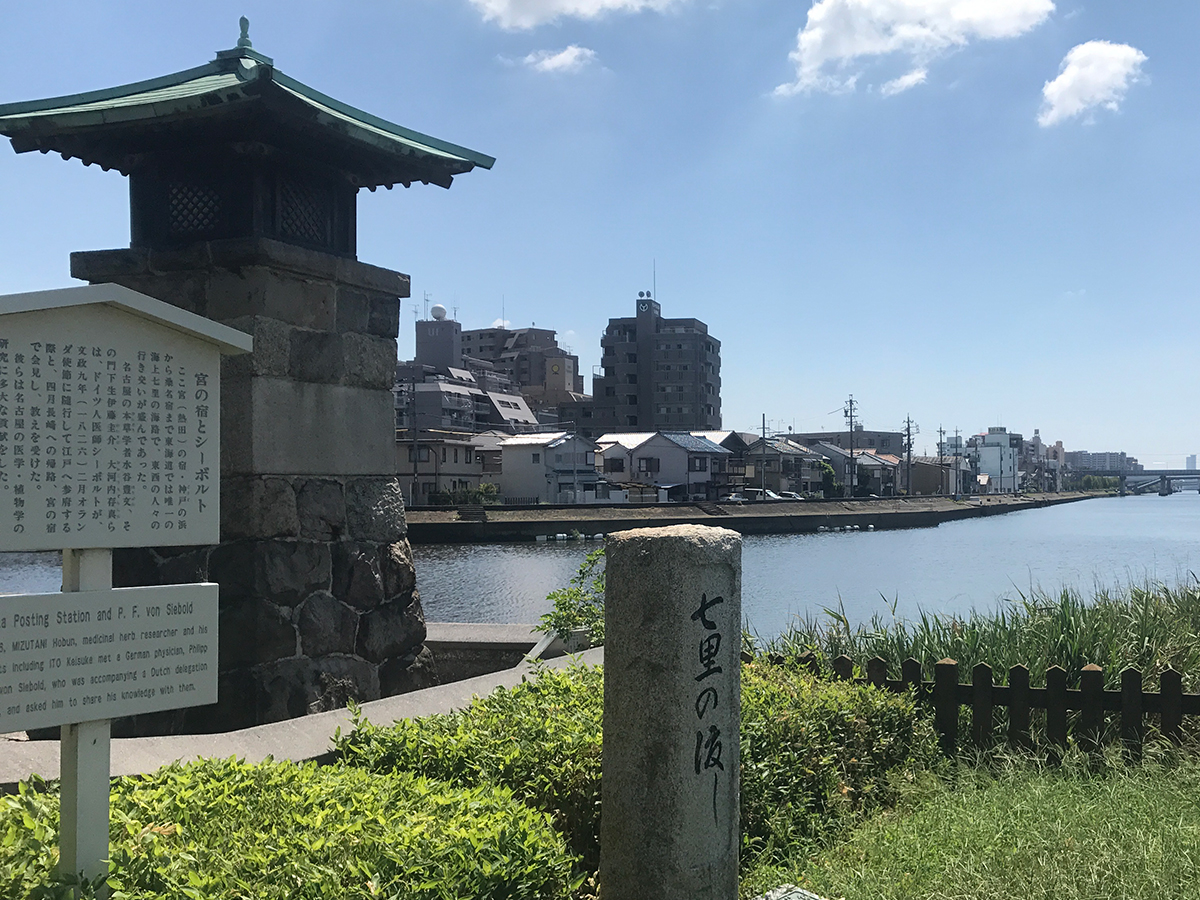
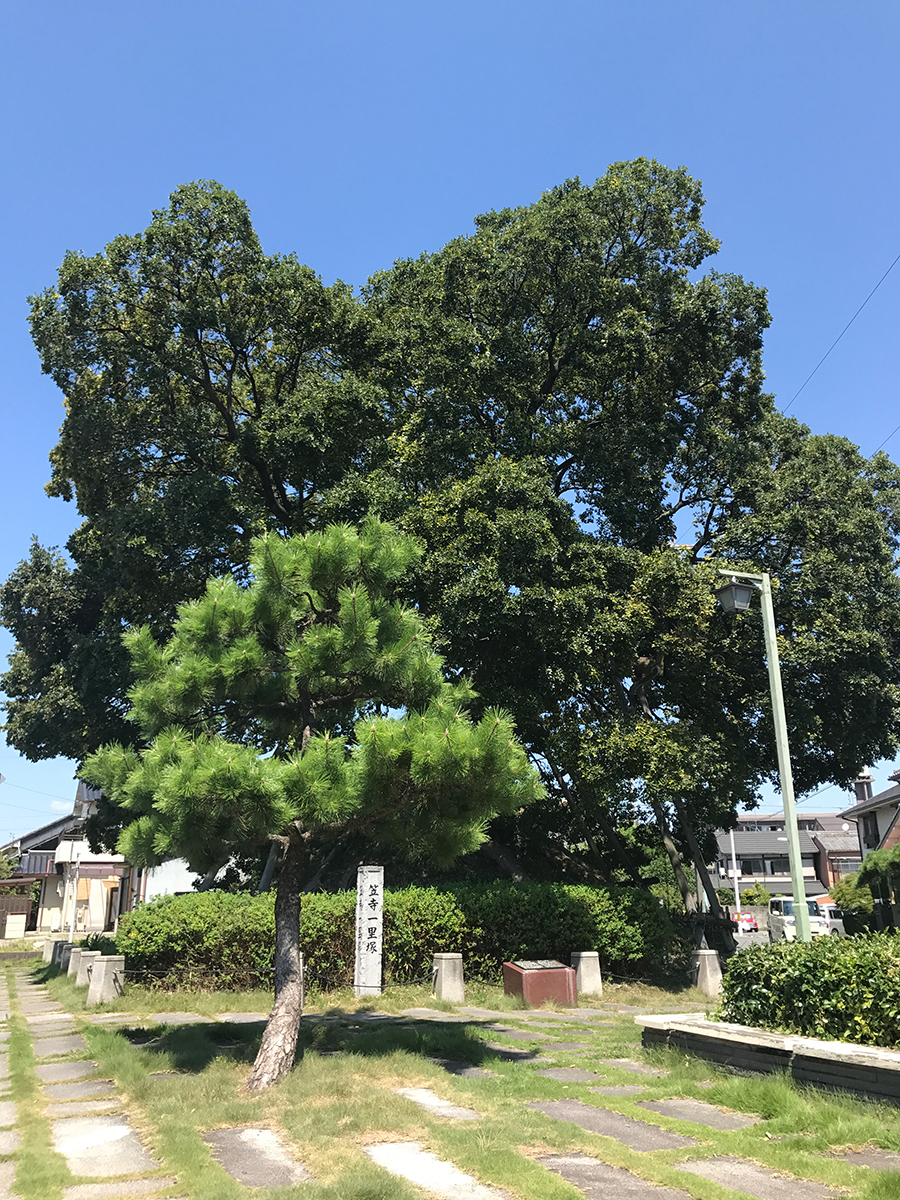
The Tokaido was the major thoroughfare used by the samurai, merchants, pilgrims and travelers between Edo (Tokyo) and the ancient capital, Kyoto. The woodblock print artist Hiroshige is famous for his series of prints depicting the 53 stops along the old Tokaido and each of the prints show a scene from the post towns along the route. The 41st station on the Tokaido, and the 42nd print in the series was known as Miya-Shuku.
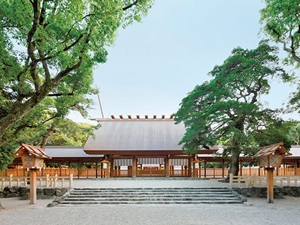
You won’t find Miya-Shuku on a current map, as “Miya” meaning shrine, referred to nearby Atsuta Shrine, Japan’s second most important shrine. The stations’ close proximity to Atsuta Shrine made it popular with pilgrims and travelers. Miya-Shuku was also a major junction point, where the Tokaido linked to the important Nakasendo, or Central Mountain Route via the Minoki Roadway, as well as the busy Saya Kaido.
Because of this, the area had the most Hatago, (official inns for travelers to lodge and eat) of any station on the Tokaido. About 248 Hatago were available, as well as two Honjin, and a single Waki-Honjin where high ranked daimyo, samurai, and others of importance could stay. The area’s population of about 10,000, made it among the largest stations on the Tokaido.
The next stop after Miya-Shuku was Kuwana in Mie Prefecture, about 27 km away, or seven “Ri” by the old Japanese standard of distance, This was covered by boat in three or four hours depending on conditions, leaving from the docks where the Tokugawa clan kept their huge wooden and steel clad warships. Special tour ferry services re-enacting the trip run infrequently in the summer months.
Most of the remaining Hatago and Honjin inns were destroyed in the air raid bombings of WWII, as the area was a major manufacturing base for Zero fighter plane engines. (In fact, nearby concrete walls retain the pockmarks of bullet holes from allied attack fighter planes!) What was left was mostly destroyed in the Great Ise Wan Typhoon of 1959.
The stone lanterns erected in 1625 to guide the boast in, and the old bell tower first built in 1676 have been rebuilt at Miya no Watashi Park. The original bell now resides in the nearby Zofuku-ji Temple. The bell tower, an important part of the old route, still tolls out the time three times a day.
Enjoyable historical walk routes have been established, with simple signs to guide you around the fascinating and historical area.
SPOT OVERVIEW


| Location | 〒456-0034 2-1-1, Tenma-cho, Atsuta-ku, Nagoya-City, Aichi |
|---|
Note: This page may not be current due to update time differences between site databases.
Should accuracy be critical, please verify this information using a direct source, whenever possible.
Barrier-free information
INFORMATION ON THE SURROUNDING AREA
 Nagoya-City
- Miya no Watashi Park (The Seven-Ri Crossing)
- Sitting by the margins of the Hori River just south of Atsuta Jingu Shrine, this park is a...
 Nagoya-City
- Atsuta Jingu Shrine
- Atsuta Shrine is Japan's second most revered Shinto shrine after the Great Shrine of Ise, ...