


- HOME
- Search in the site
- Tsushima Jinja Shrine
Tsushima Jinja Shrine
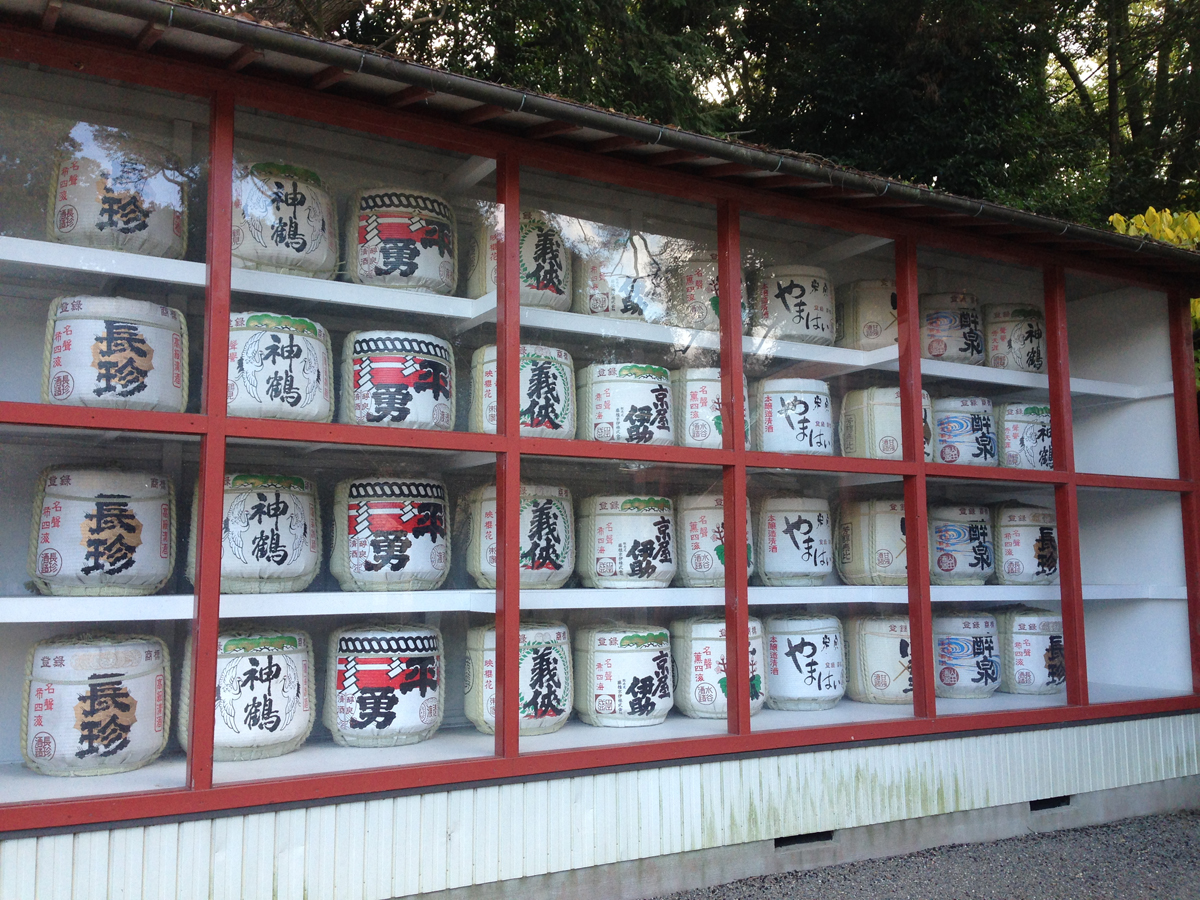
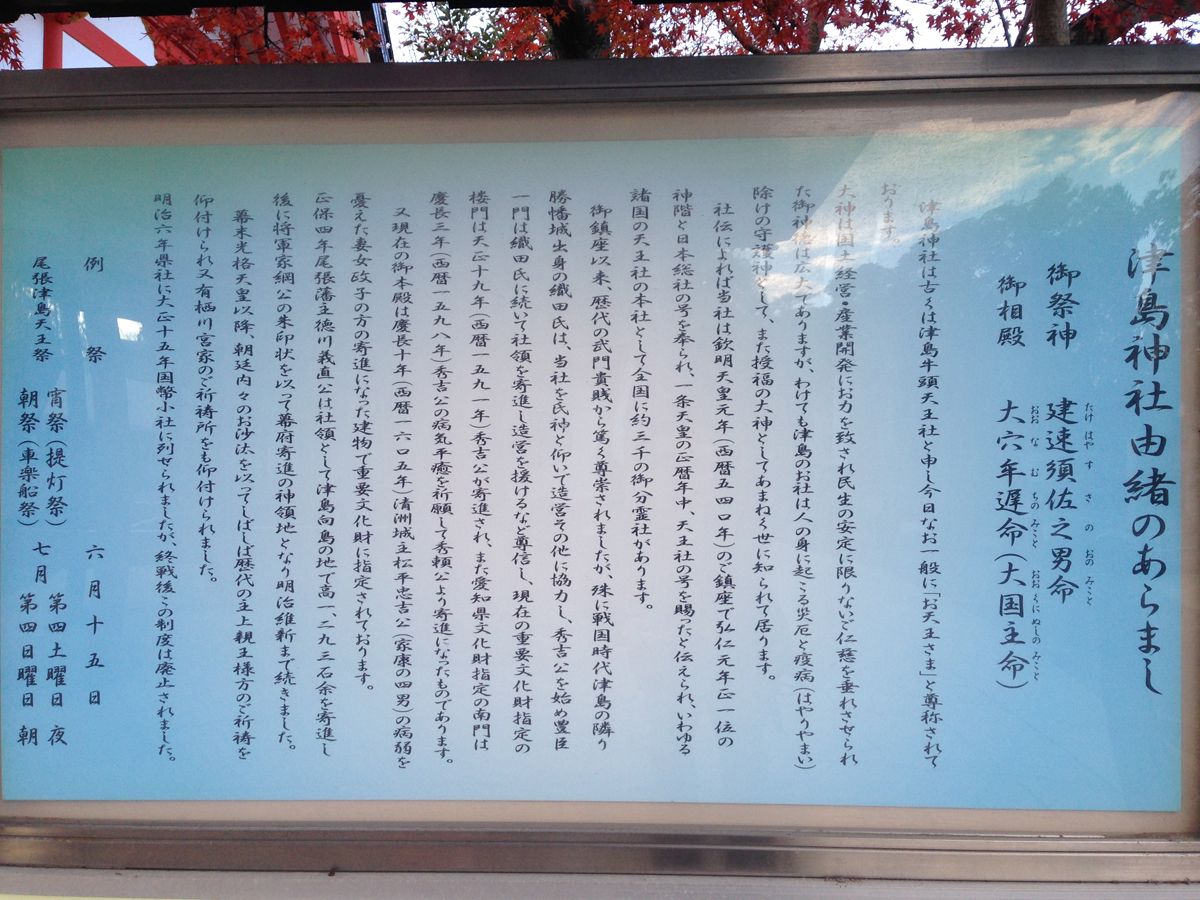
The Great Tsushima Jinja Shrine
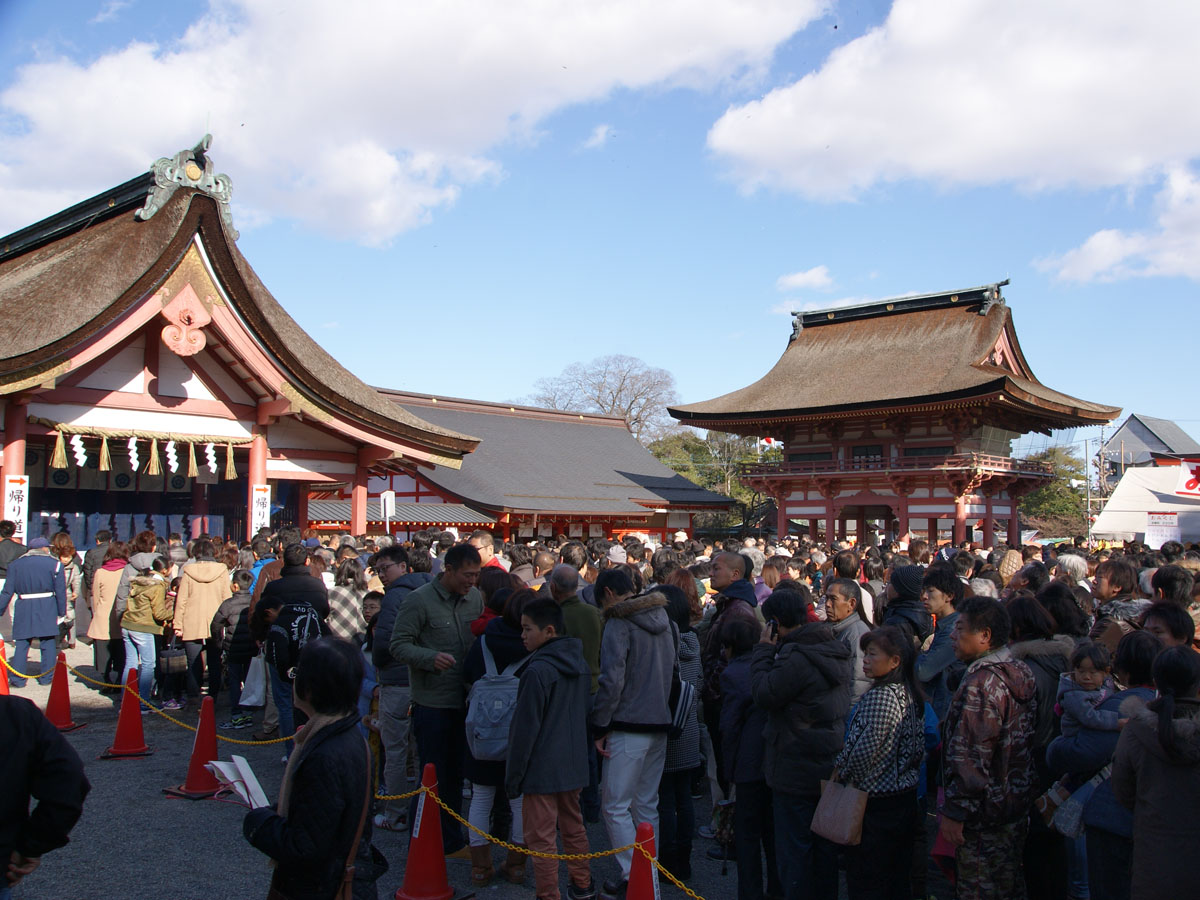
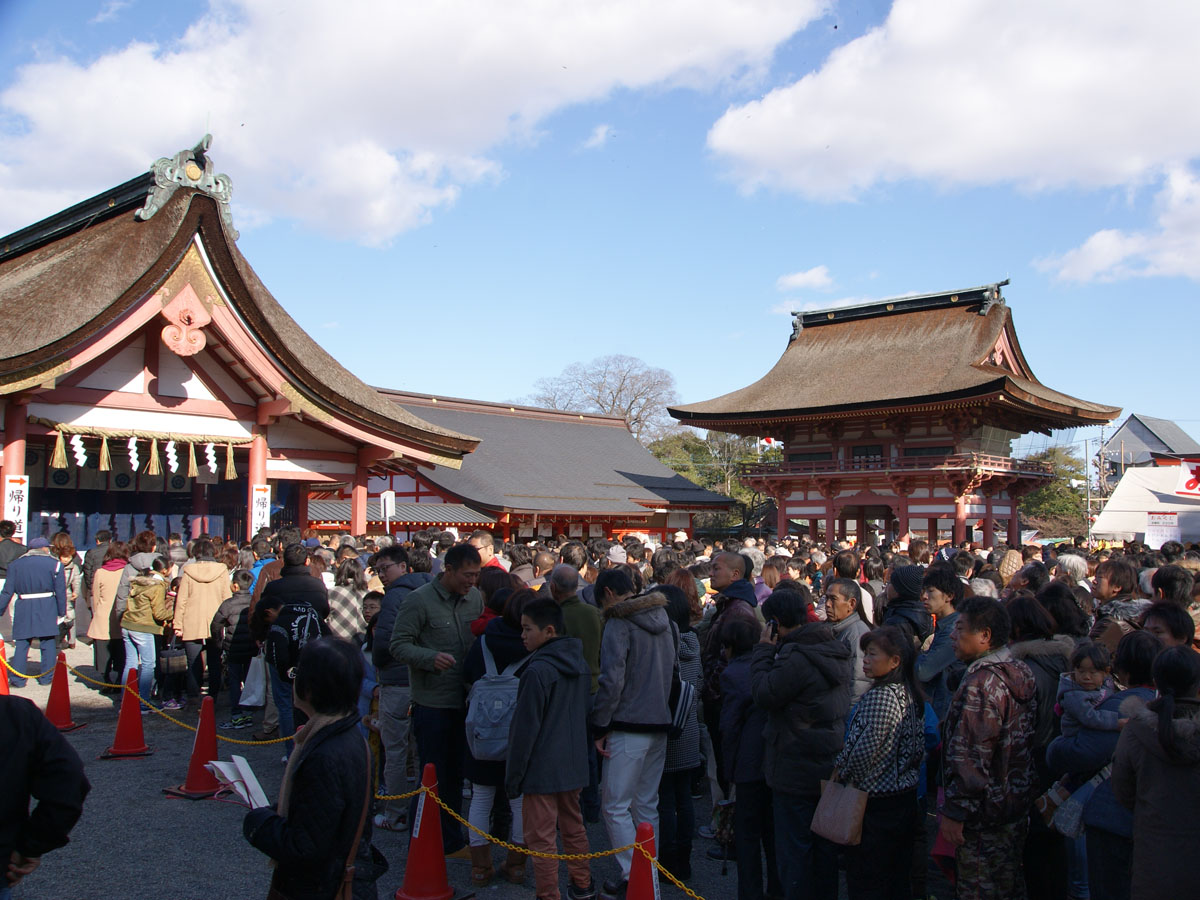
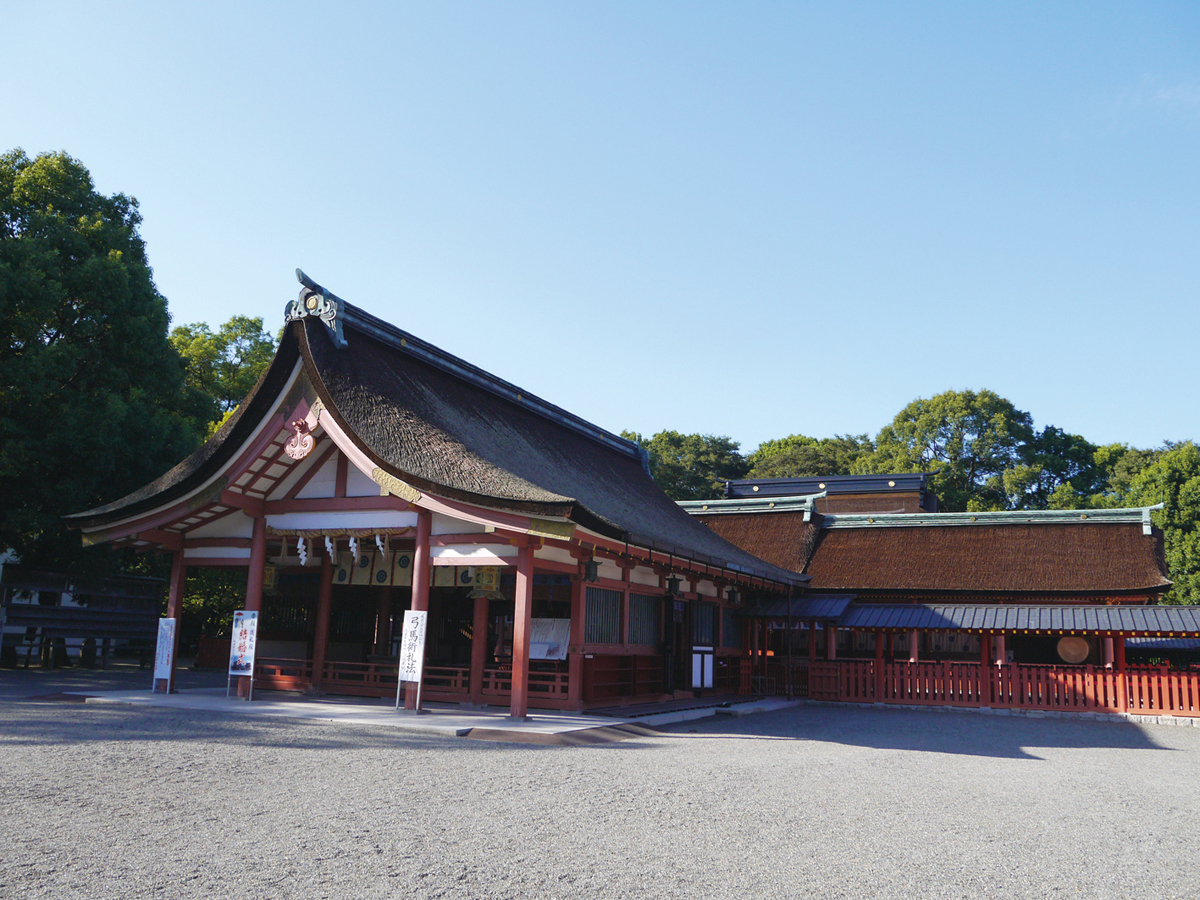
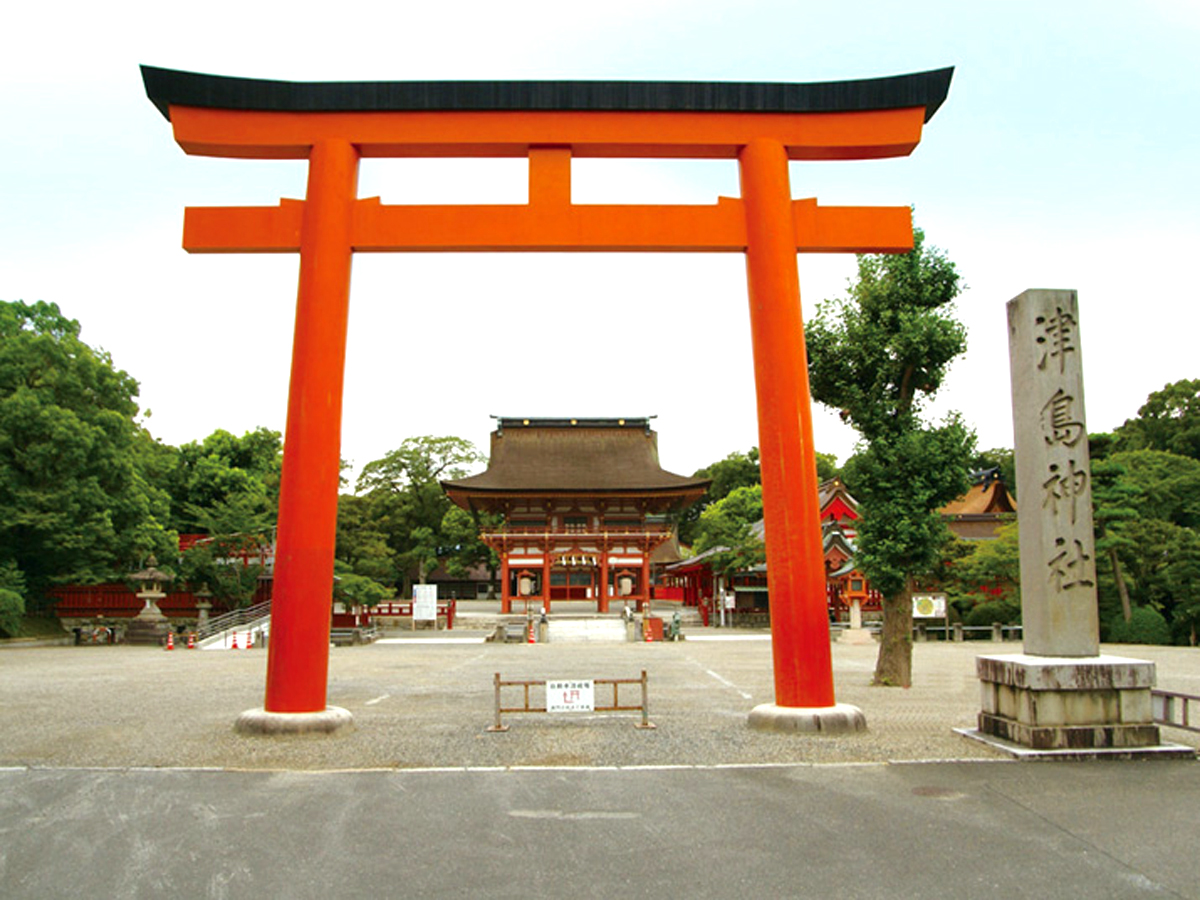
Tsushima Jinja Shrine is probably most well known for its role as the stage for the Owari Tsushima Tenno Festival. However, there's much more to it than just sparking the spectacular festival's festivities. Tsushima Jinja Shrine—once also known as "Tsushima Gozu Tennosha Shrine"—is a focal point of the Gozu Tenno cult's deity of epidemics and beatification. The shrine boasts a history of more than 1,480 years since its establishment in 540 AD during the first year of Emperor Kimmei's reign.
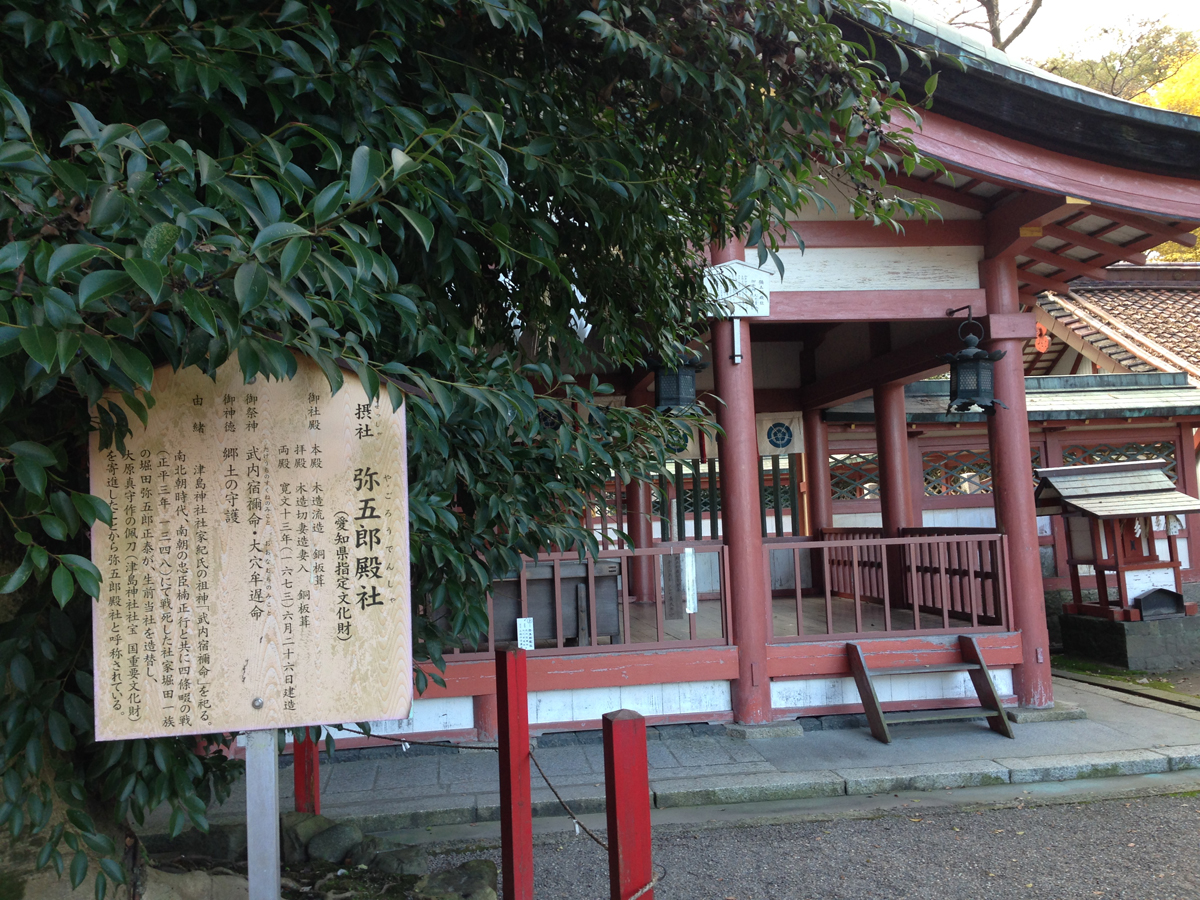
The god enshrined here is Takehayasusano'o no Mikoto while the adjoining shrine worships his child Onamuchi no Mikoto. It is on par with Kyoto's Yasaka Jinja Shrine in terms of rank as a Tennosha Shrine, being the head of the over 3,000 Tsushima Jinja Shrines across Japan.
A spiritual power revered by warriors and daimyos of the Warring States period
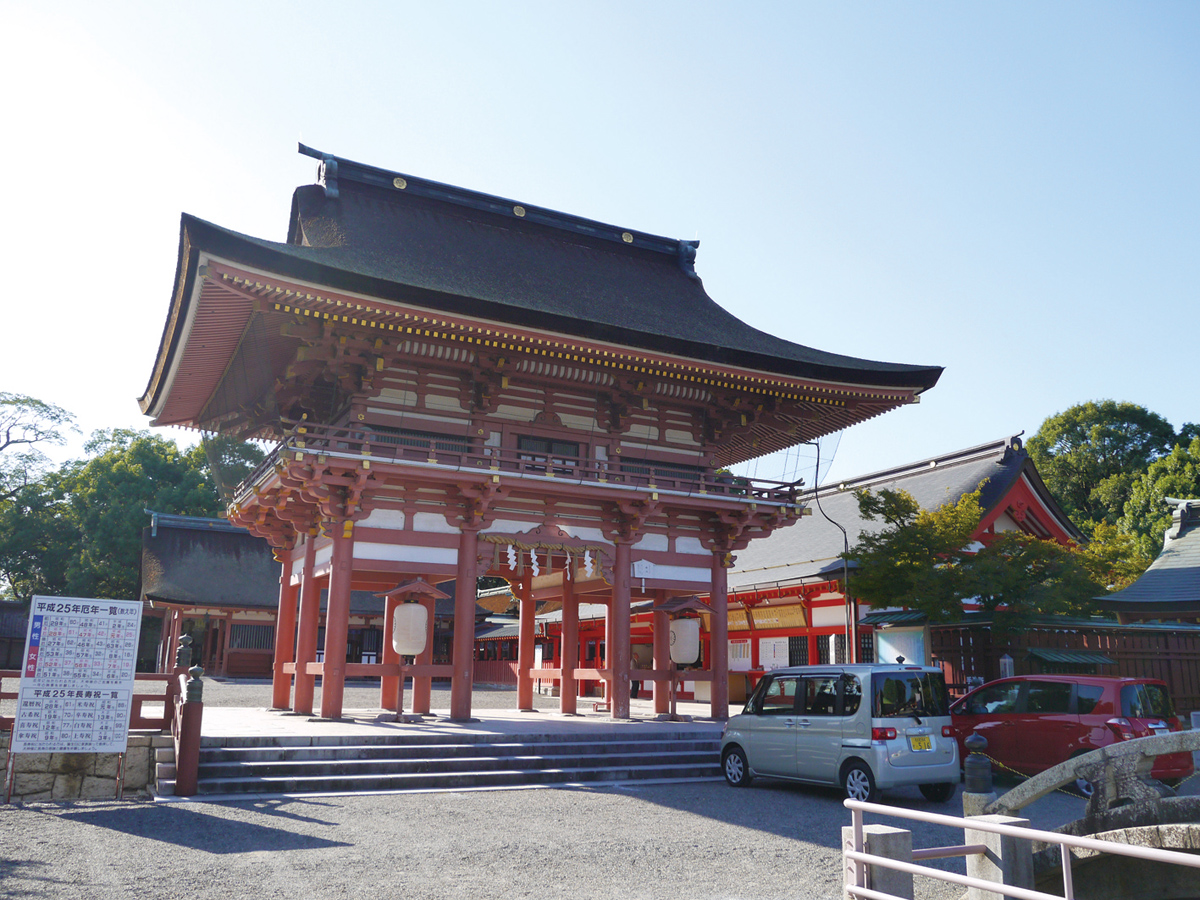
The allure of Tsushima Gozu Tennosha Shrine's god commanded the respect of not only commoners but respected warriors and daimyo feudal lords—including such big names as Oda Nobunaga, Toyotomi Hideyoshi, and Tokugawa Ieyasu—during the Warring States period when Japan was made up of many warring factions. Lord Oda Nobunaga worshipped the shrine's god as his own guardian and contributed to construction while Lord Toyotomi Hideyoshi donated the two-story gate, Lord Toyotomi Hideyori donated the South Gate, and Lord Tokugawa Ieyasu's fourth son and lord of Kiyosu Castle, Matsudaira Tadayoshi. donated the Main Hall (a prefectural cultural property).
Tsushima Jinja Shrine has been the focal point of fervent worship for eons. During the Edo period, people used to say "If you're going to Oise-san [one of Japan's highest-standing shrines], you must go to the Tsushima-san as well or else you only get half the job done." The shrine is so famous that its nicknames "Tsushima-san" and "Tenno-san" are recognized by many around Japan, making a pilgrimages to pray.
Owari Tsushima Tenno Festival: designated a UNESCO Intangible Cultural Heritage
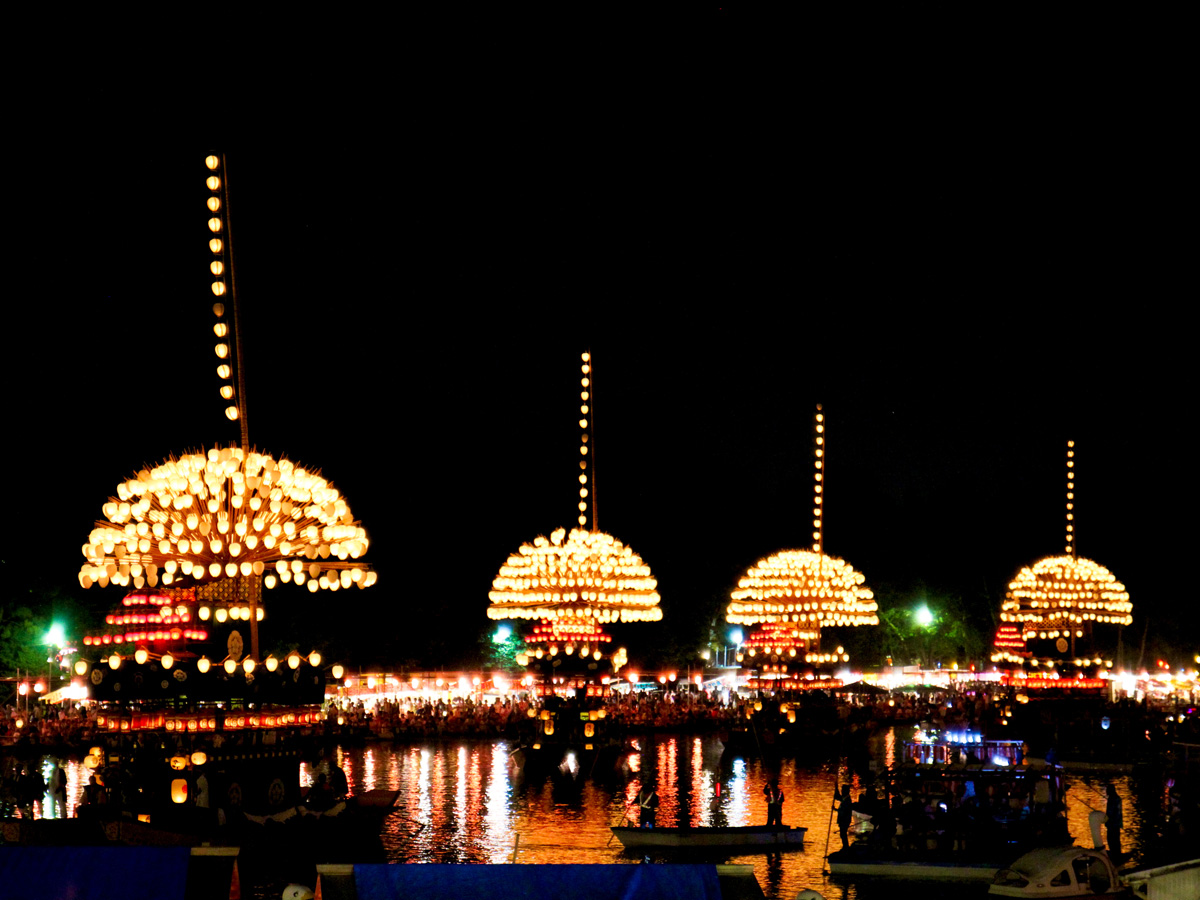
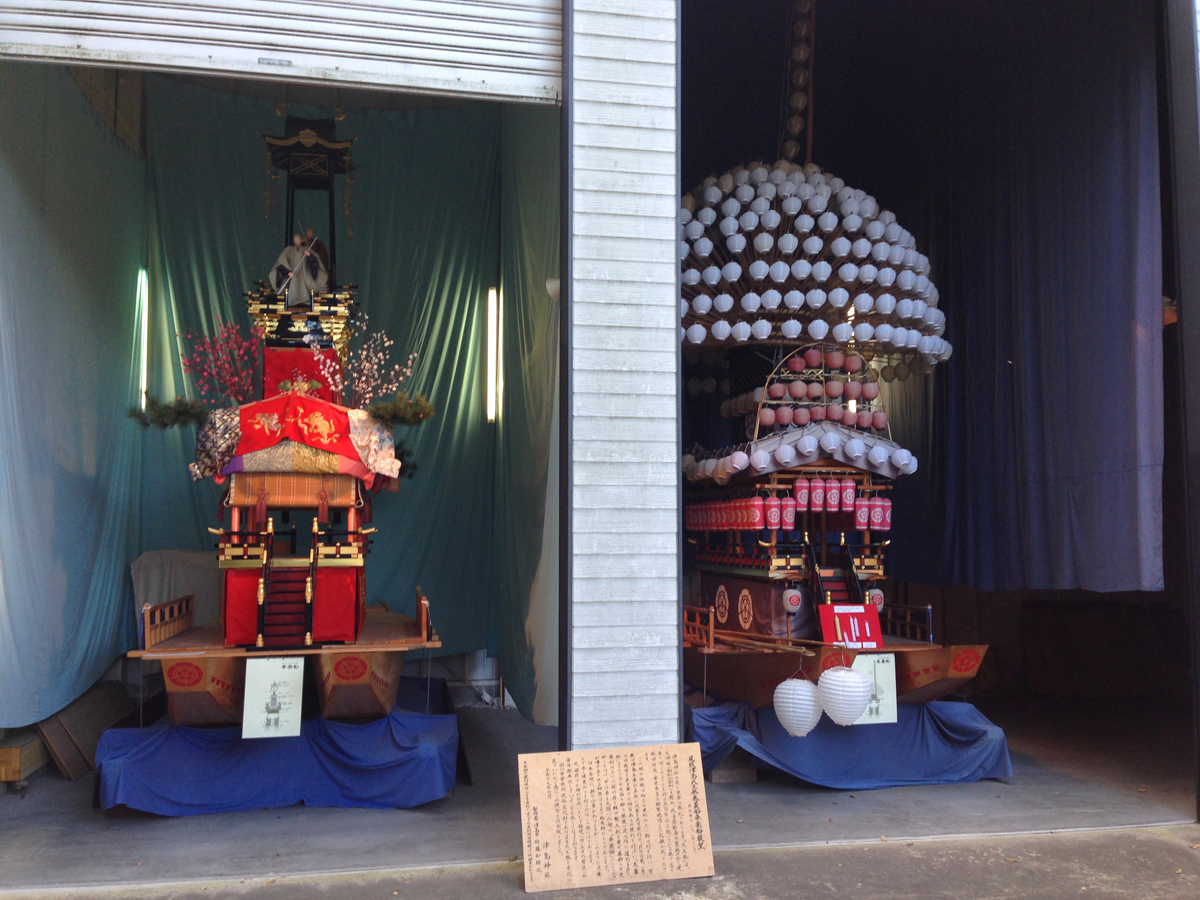
Owari Tsushima Tenno Festival is considered Tsushima Jinja Shrine's biggest festival and one of Japan's three great river festivals. The event is a summer highlight, taking place on the fourth Saturday of July and the following day. Five Makiwara Boats laden with lanterns light up, playing Tsushima flutes as they row gracefully down the Tenno River from Maru Pond. The gently shaking lanterns reflect, shimmering off the water's surface, creating a mirror image of the elaborate Makiwara Boats like something straight out of a dreamlike scroll painting.
The following morning, during the Morning Festival, six Danjiri Boats, with the Ichie Boat at the lead, are decorated with Noh theater items, advancing as music plays. The Ichie Boat carries ten men with cloth banner-adorned pikes, who leap into the water, swim to the shore, and run to the shrine alter to offer the pikes in a heroic scene.
SPOT OVERVIEW


| Location | 〒496-0851 1 Shinmei-cho, Tsushima-shi, Aichi |
|---|---|
| Fee | Free of charge Note: • Prices are subject to change. Check the official site, etc. for the most up-to-date information. |
| Parking | • South Parking Lot: 60 spaces (bus parking possible) • East Parking Lot: 40 spaces (minibus parking possible) Notes: • Overflow parking available during the New Year holiday and Tenno Festival, etc. • Safety purification rites for vehicles takes place in the East Parking Lot. (From Jan 2 to Jan 7, rites take place in the South Parking Lot.) |
| Restrooms | Available |
| Holidays | Open every day |
| Phone number | 0567-26-3216 |
| Prayer reception hours | 9:00 am–4:00 pm |
Note: This page may not be current due to update time differences between site databases.
Should accuracy be critical, please verify this information using a direct source, whenever possible.
Barrier-free information







ACCESS
-

- Access by public transport
- From Nagoya Station, take the Meitetsu Tsushima Line. Get off at Tsushima Station and walk 15 min.
-

- Access by car
- • 15 min. from Yatomi Interchange on the Higashi-Meihan Expressway.
• 15 min. from Ichinomiya-Kisogawa Interchange on the Tokai-Hokuriku Expressway.
Share spot information with a smartphone

INFORMATION ON THE SURROUNDING AREA

 Inazawa-City ...
- Shobata Castle Site (birthplace of Oda Nobunaga) and Statue of Baby Nobunaga
- Shobata Castle once stood between Aichi Prefecture's cities of Inazawa and Aisai and was c...
 Aisai-City
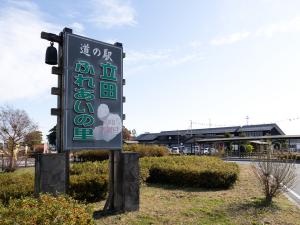
- Roadside Station "Michi-no-Eki" Tatsuta Fureai-no-Sato
- The city of Aisai is famous for its expansive farms of renkon - lotus root - which are ble...


