

- HOME
- Search in the site
- Shinshiro Municipal Shitaragahara Historical Museum
Shinshiro Municipal Shitaragahara Historical Museum
One of the key points in Japanese history right here in Aichi
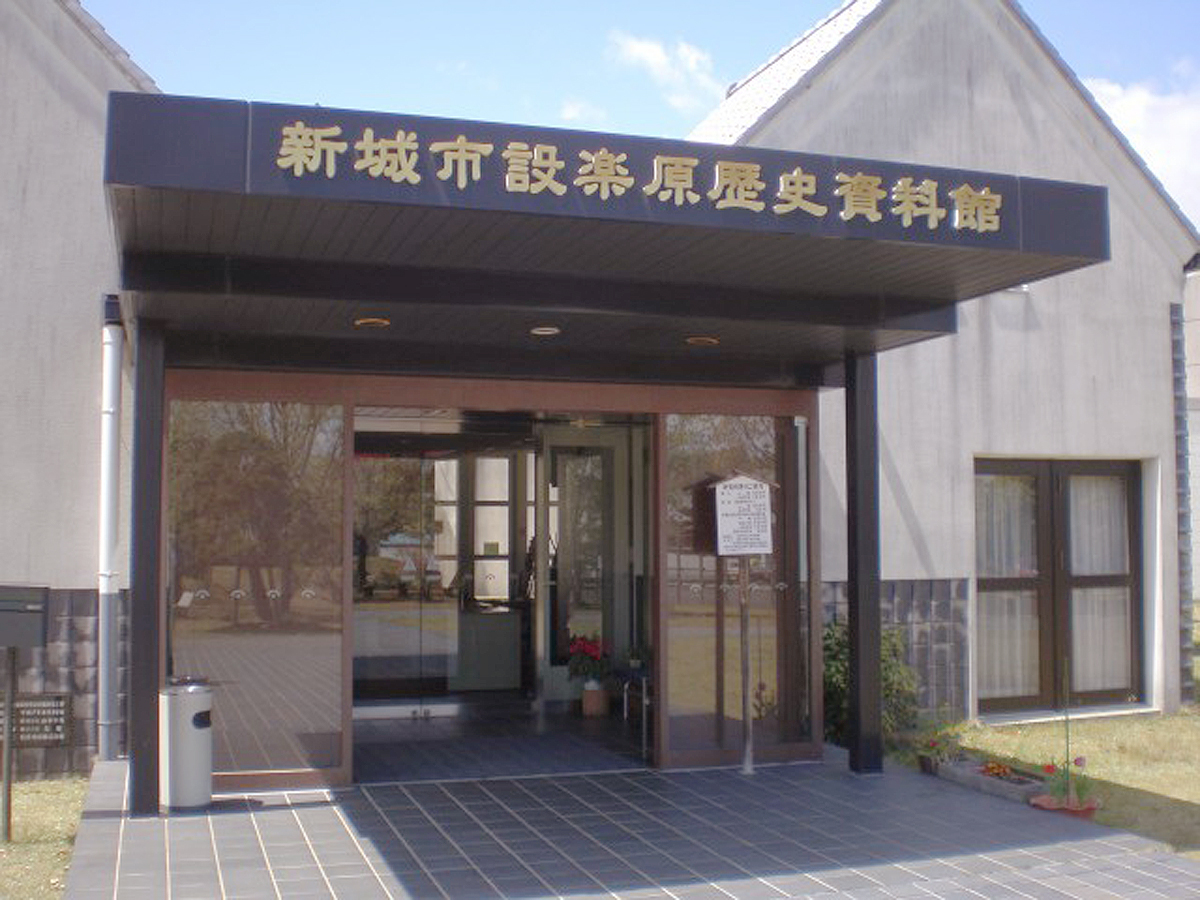
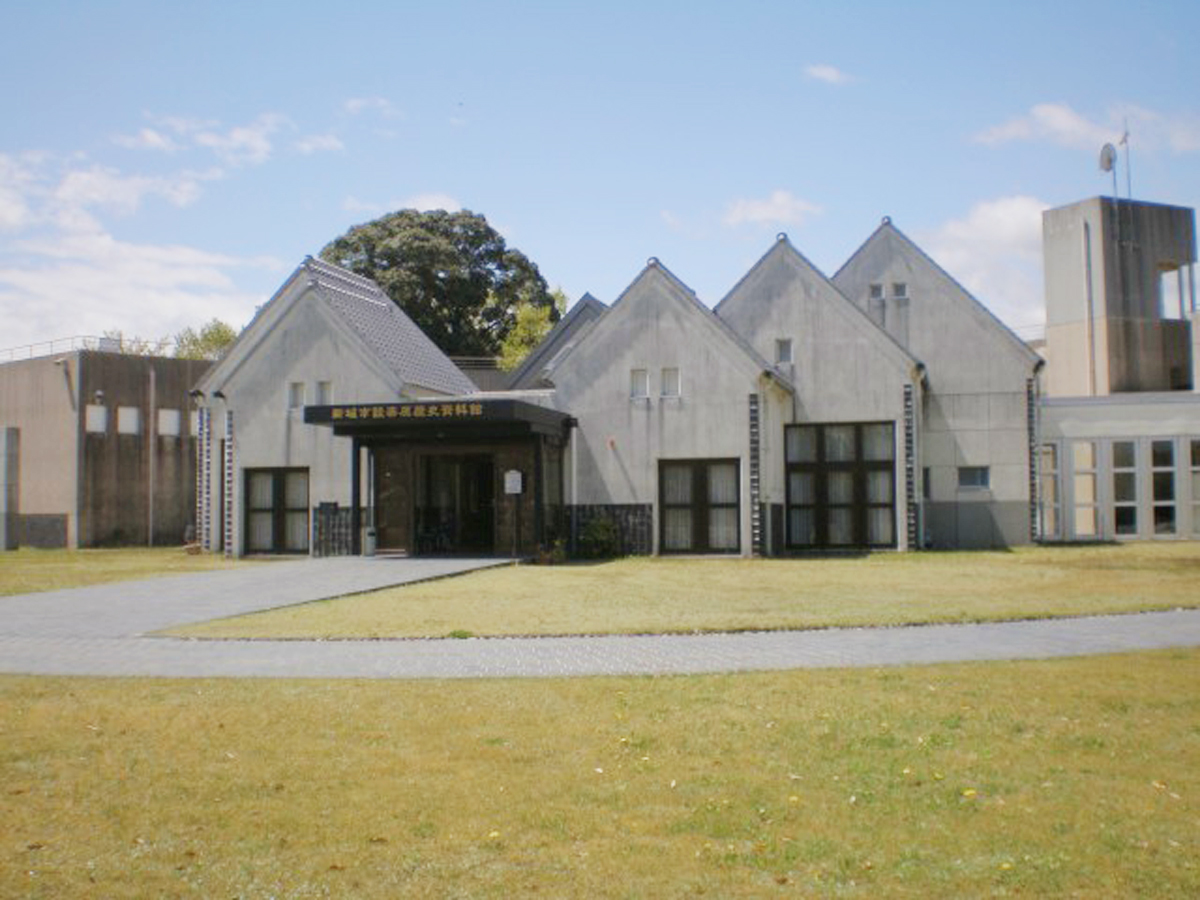
Visible from the rooftop observation area atop the wonderful Shitagahara Historical Museum in eastern Aichi Prefecture’s Shinshiro City, is the long, thin valley known locally as Shitaragahara. This is the site of one of the most famous samurai battles, the Battle of Nagashino, that took place on May 21st, 1575.
Takeda Katsuyori, was advancing on the capital, Kyoto, in an effort to seize control of the nation. To march on Kyoto necessitated crossing the lands owned by both Tokugawa Ieyasu and Oda Nobunaga. The Takeda army were a battle hardened, well trained army, and had soundly defeated the Visible from the rooftop observation area atop the wonderful Shitaragahara Historical Museum in eastern Aichi Prefecture’s Shinshiro City, is the long, thin valley known locally as Shitaragahara. This is the site of one of the most famous samurai battles, the Battle of Nagashino, that took place on May 21st, 1575.
Takeda Katsuyori was advancing on the capital, Kyoto, in an effort to seize control of the nation. To march on Kyoto necessitated crossing the lands owned by both Tokugawa Ieyasu and Oda Nobunaga—powerful lords of the Aichi and surrounding areas. The Takeda army was battle hardened, well-trained, and had soundly defeated the Tokugawa at the Battle of Mikatagahara some years before, and was confident of another victory. Therefore, they steamrolled their way across the lands. They laid siege to Yoshida Castle in what is now Toyohashi City in southern Aichi, but when it failed to capitulate, the impatient Katsuyori moved his 15,000 men to Nagashino Castle and surrounded that instead. However, one brave foot soldier made his way out of the castle at night, swam the moat, and ran some 35 km to alert Tokugawa Ieyasu who, with support from Oda Nobunaga came to the rescue a week later with 38,000 soldiers.
Along with their weapons and armor, each of the Oda samurai carried a long, thin log with them.
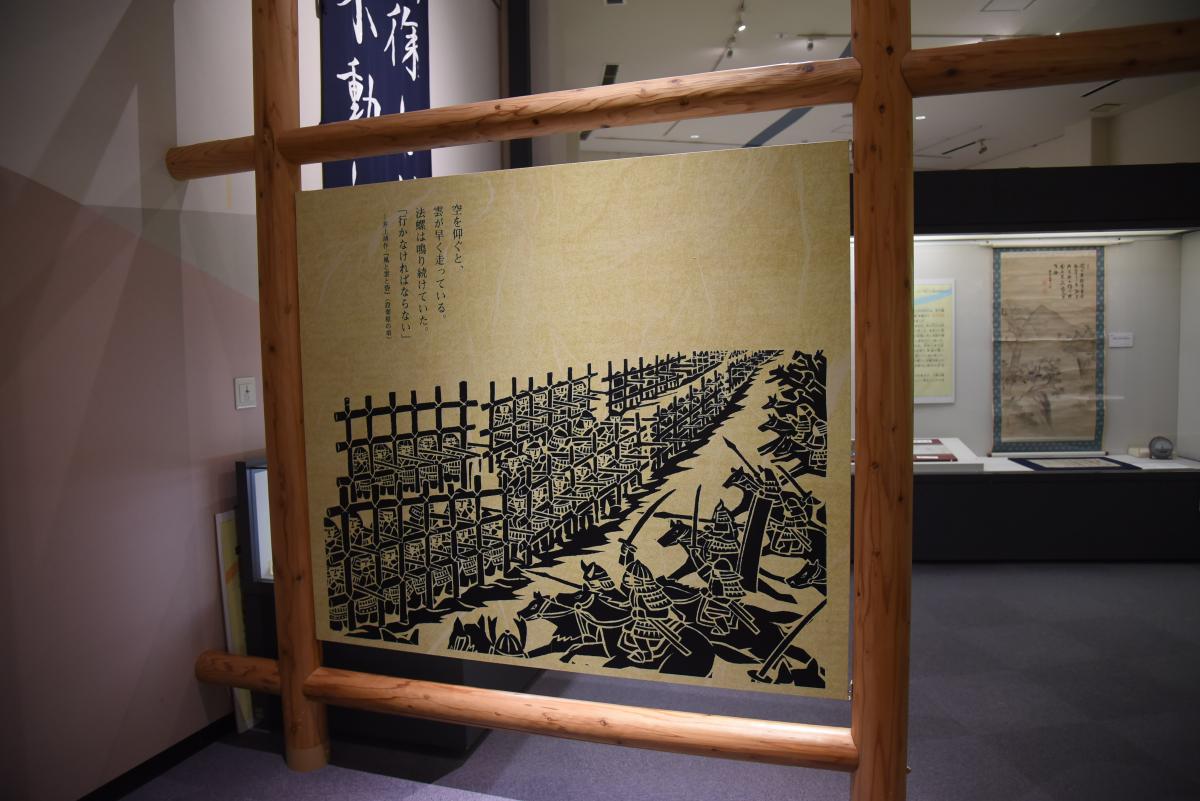
These logs were used to build two kilometers of simple wooden palisade along the western side of the valley at the foot of the rolling hills. Running through the middle of the valley was the small Rengo River. Either side of the river were rice paddies. On the opposite eastern side, the Takeda had arranged themselves into battle formations on the slopes of the low mountains.
The battle
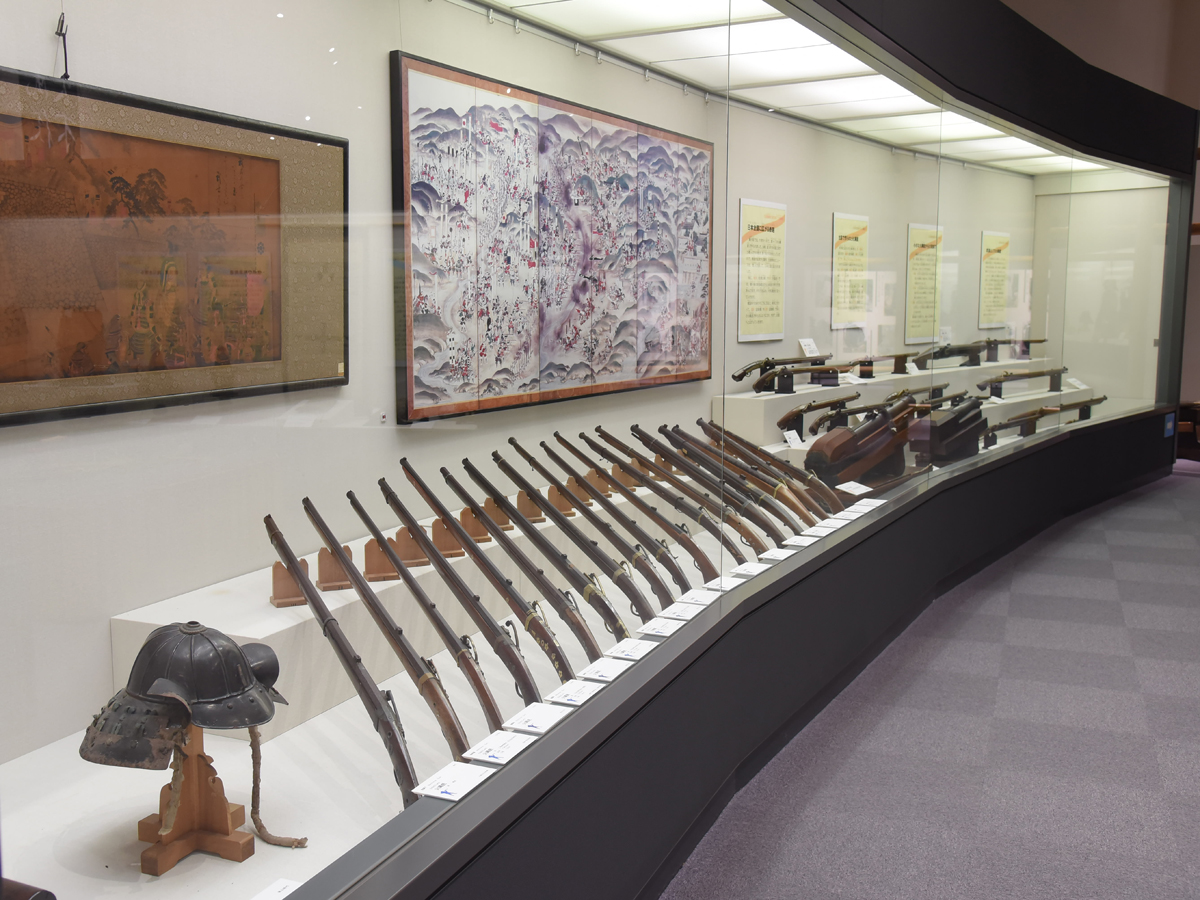
Behind the wooden fencing waited some 3,000 Oda troops armed with matchlock guns. The gun had only been introduced to Japan about twenty years before by Portuguese traders, but already the value of the weapon had been recognized by the samurai and Oda Nobunaga in particular.
The Takeda forces front-line samurai were dressed in red lacquered armor. Running onto the narrow battlefield, they first encountered the soft muddy rice paddies, which caused a slowdown. They then had to cross the small river, and through more flooded rice paddies before reaching the fence.
Hardly any of them got that far. The Oda forces gunners felled them almost immediately in great blasts of continuous gunfire. After the first volley, Takeda Katsuyori sent a second wave of samurai into action. Within seconds they were felled by more matchlock fire. Katsuyori, shocked, sent yet another line of troops, which too were mown down before they could get anywhere near the Tokugawa and Oda troops.
Nobunaga is said to have organized his gunners into lines of three around the barricades. After the first guns were fired, the second line took aim and shot. Then the third line advanced, took aim and shot. By then, the first line had reloaded, and were ready to continue shooting the enemy.
Eight hours later, 10,000 Takeda and 6,000 Tokugawa/Oda troops lay dead across the valley. The much feared Takeda had been decimated and the clan would end seven years later.
A few hundred meters of the wooden fencing has been recreated by the Shinshiro City Council providing a good idea of what conditions would have looked like over 400 years ago. From the palisade, you can look out over the rice paddies and Rengo River to where the Takeda launched their attack.
The various war camps on both sides can still be visited, with maps and details of the sites and memorial stones available (in Japanese).
Every May, members of the local matchlock teams don their samurai armor and with matchlock guns in hand, recreate the battle. The guns, all real, are loaded only with gunpowder, but a big bang, a shower of sparks, and clouds of thick smoke make for some exciting entertainment. Other events take place in July, and on August 15 when a fire dance is held as part of a memorial service for the war dead.
The museum
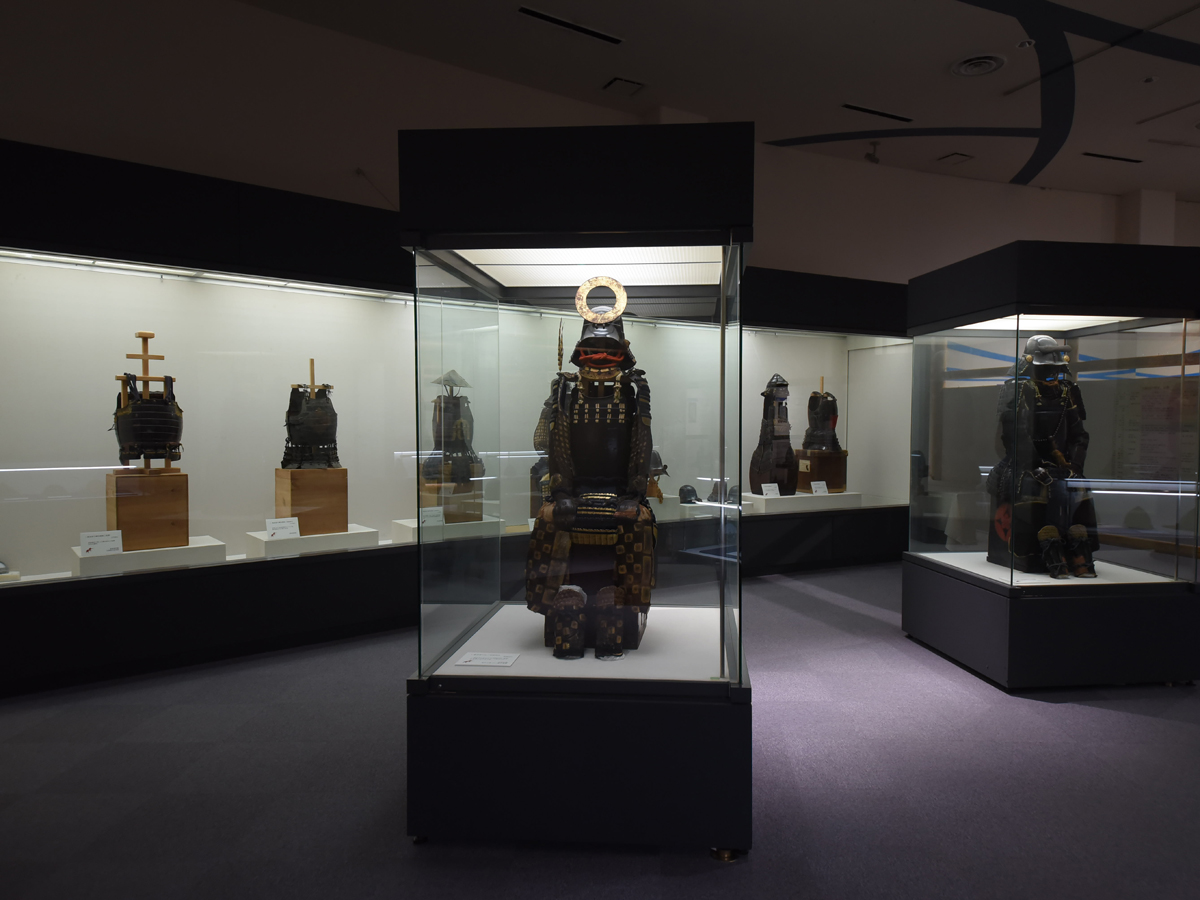
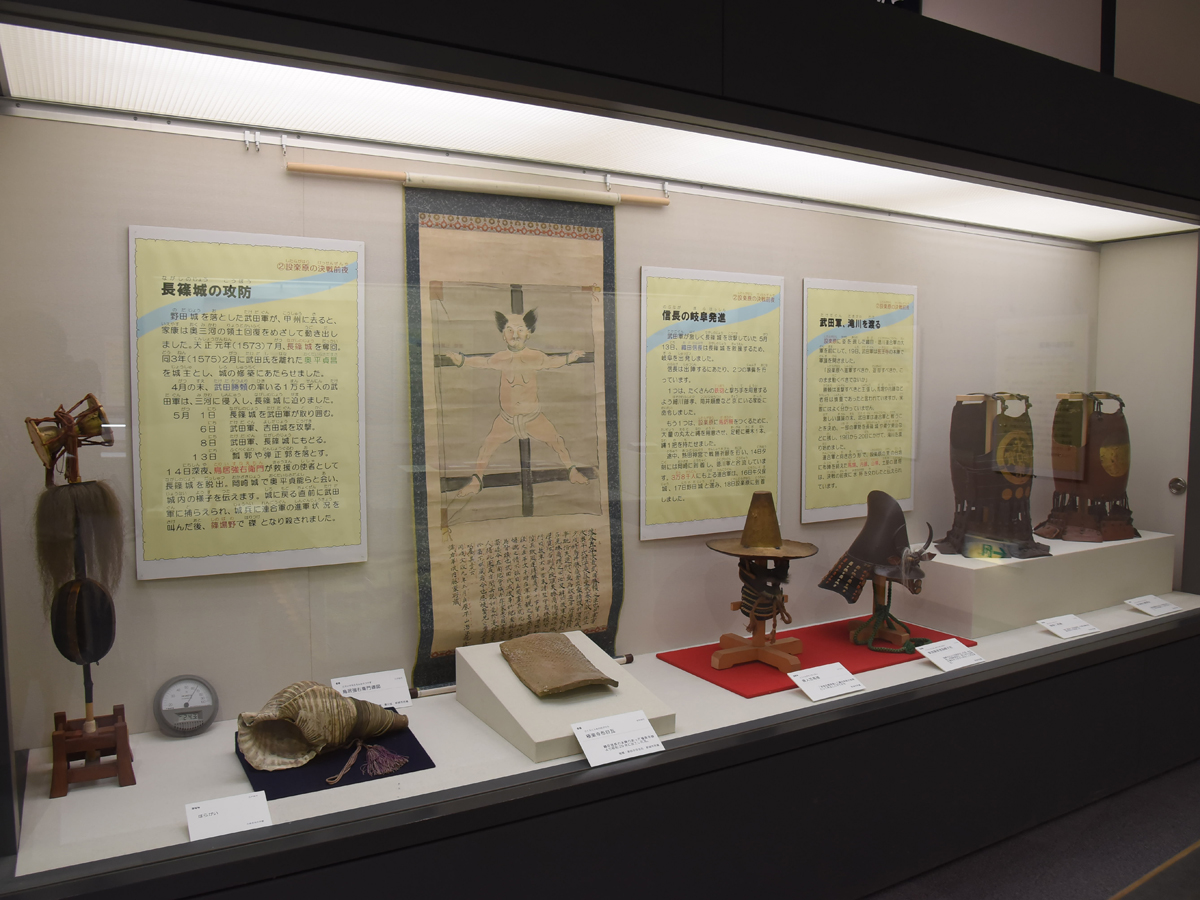
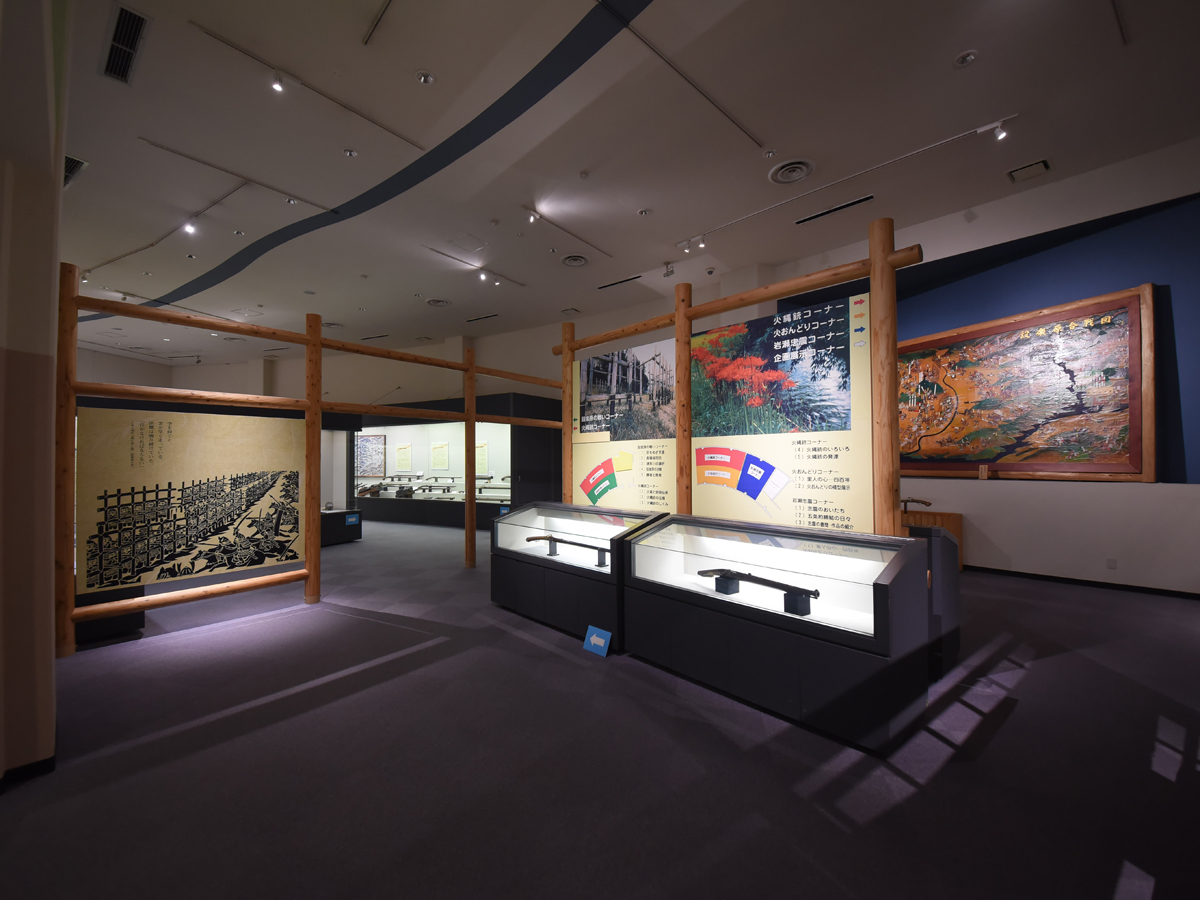
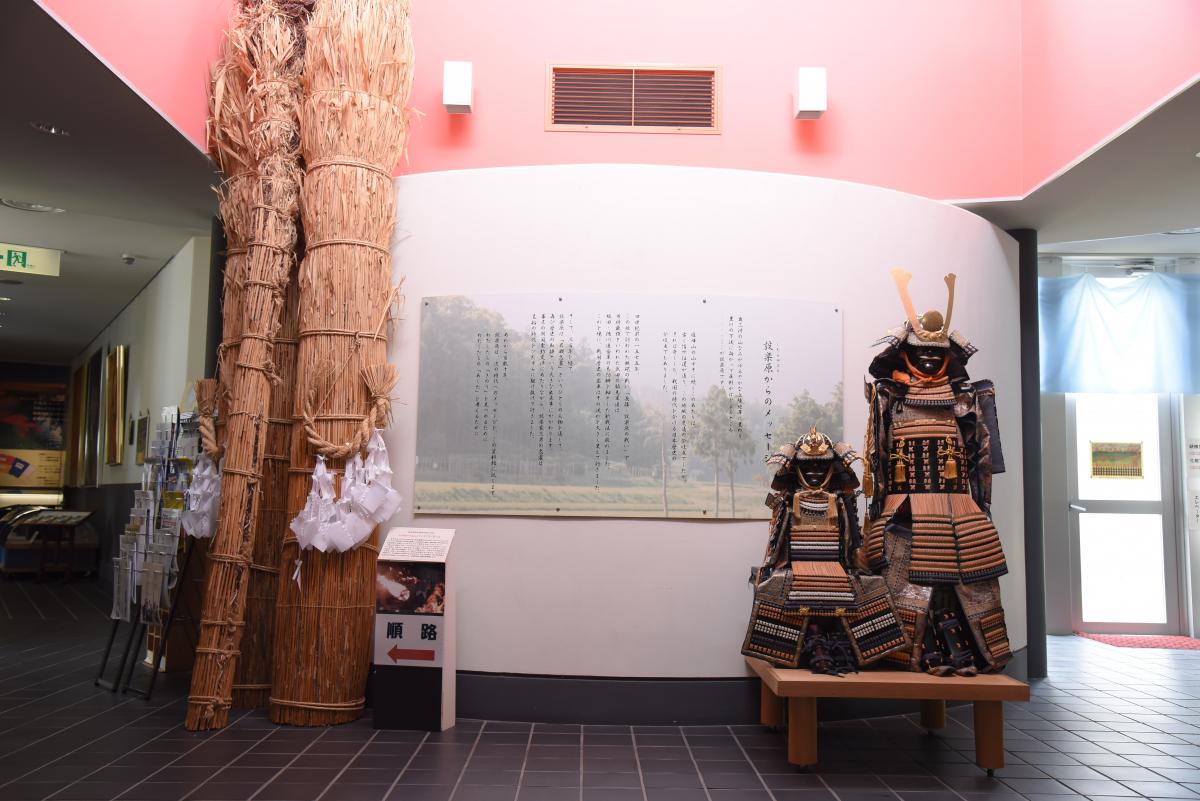
Shinshiro City's Shitaragahara Historical Museum on the Takeda side of the valley is probably one of Japan’s better battlefield museums, containing an impressive range of items and documents related to the battle. There is a large selection of matchlock guns, old maps, armor and helmets, scrolls, paintings, and video presentations available to help illustrate this important battle. While English guidance is scarce, simply seeing these relics of history helps to portray the epic fight. And remember to take a trip up to the roof for a view of the surrounding area where the action took place.
You can also learn about Tadanori Iwase, a diplomat around during the end of the Shogunate, when Japan was reopened to the rest of the world, who had ties with the city of Shinshiro.
The battlefield and museum are a must see for fans of Japanese history and samurai. Add to your trip a visit to the nearby ruins of Nagashino Castle and their excellent but small museum too for a full experience of samurai history that took place in Aichi Prefecture.
Spot info


| Location | 〒441-1305 552 Shingenhara, Takehiro, Shinsiro-shi, Aichi |
|---|---|
| Price | • Adults: JPY 330 • Adult groups (20 or more): JPY 220 • Children (elementary and junior high school ages): JPY 100 • Children groups (20 or more0: JPY 50 Note: • Prices are subject to change. Check the official site, etc. for the most up-to-date information. |
| Business days/hours | 9:00 am–5:00 pm |
| Parking | Available, free of charge • About 50 spaces. • 2 or 3 spaces available for buses. |
| Restrooms | Available |
| Days closed | • Tue (the following weekday should Tue coincide with a national holiday) • Year-end/New Year holiday (Dec 29–Jan 3) |
| Inquiries | 0536-22-0673 |
Note: This page may not be current due to update time differences between site databases.
Should accuracy be critical, please verify this information using a direct source, whenever possible.
Accessibility








DIRECTIONS
-

- By public transportation
- Approx. 15-min. walk from JR Mikawa-Togo Station, available after a change to the Iida Line from Toyohashi Station, which in turn is reachable from JR Nagoya Station.
-

- By car
- Approx. 5 min. from Shinshiro Interchange on the Shin-Tomei Expressway.
Share spot via smartphone
OTHER SPOTS IN THE SURROUNDING AREA
 Shinshiro-City
- Mokkulu Shinshiro Rest Stop
- Mokkulu Shinshiro is a rest stop located near the intersection of the Shin-Tomei Expresswa...


 Shinshiro-City
- Shinshiro Comprehensive Park (Shinshiro Sogo Koen)
- With an area equivalent to nine Nagoya Domes, the Shinshiro Comprehensive Park is equipped...
 Shinshiro-City
- Forest Adventure SHINSHIRO
- Forest Adventure is an outdoor park phenomenon which started in France and lets you pass t...